



Comparison · Materials · Automatic boxes
Three litter-box formats dominate the conversation, and each solves a different problem. Plastic keeps the entry price low, stainless steel simplifies deep cleaning, and self-cleaning boxes automate part of the routine.
At-a-glance comparison
| Priority | Plastic | Stainless steel | Self-cleaning |
|---|---|---|---|
| Upfront price | Low | Mid | High |
| Daily scooping | Manual | Manual | Partly automated |
| Deep clean | Simple; scratches over time | Simple, durable surface | More components |
| Monitoring | Easy | Easy | Depends on design/app |
Choose plastic when flexibility matters most
Plastic offers the widest range of shapes at the lowest price. It is useful for temporary setups, travel and testing a new location. Plan to replace it when the surface becomes cracked, rough, difficult to clean or persistently smelly.
Choose stainless steel for simple longevity
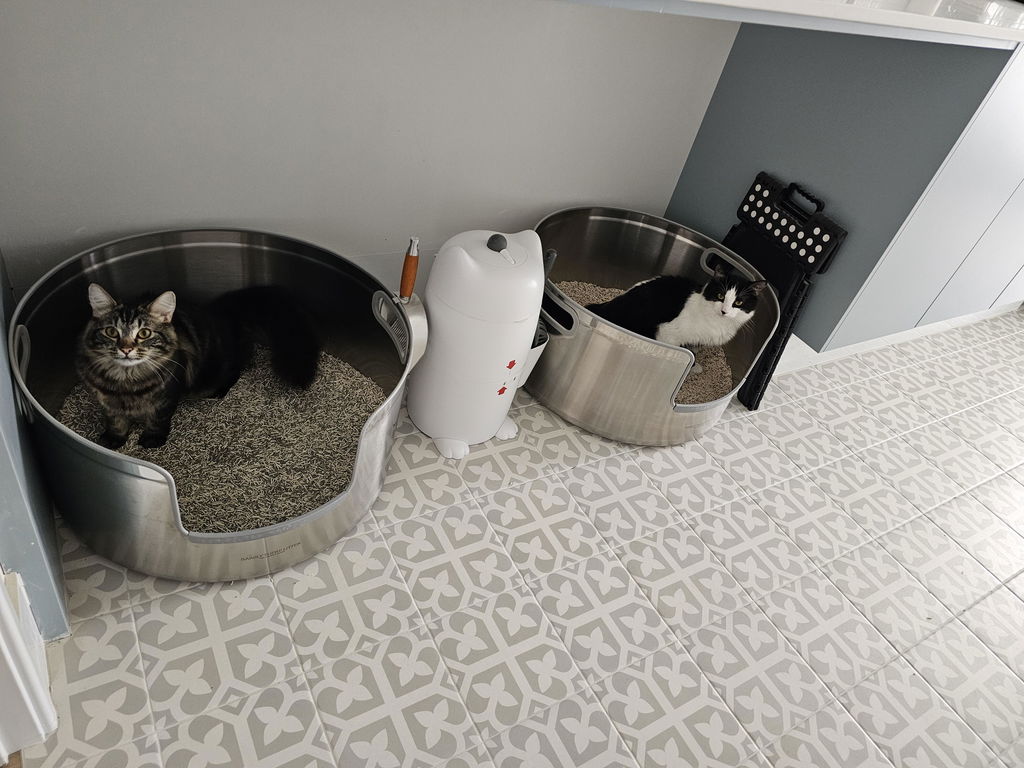
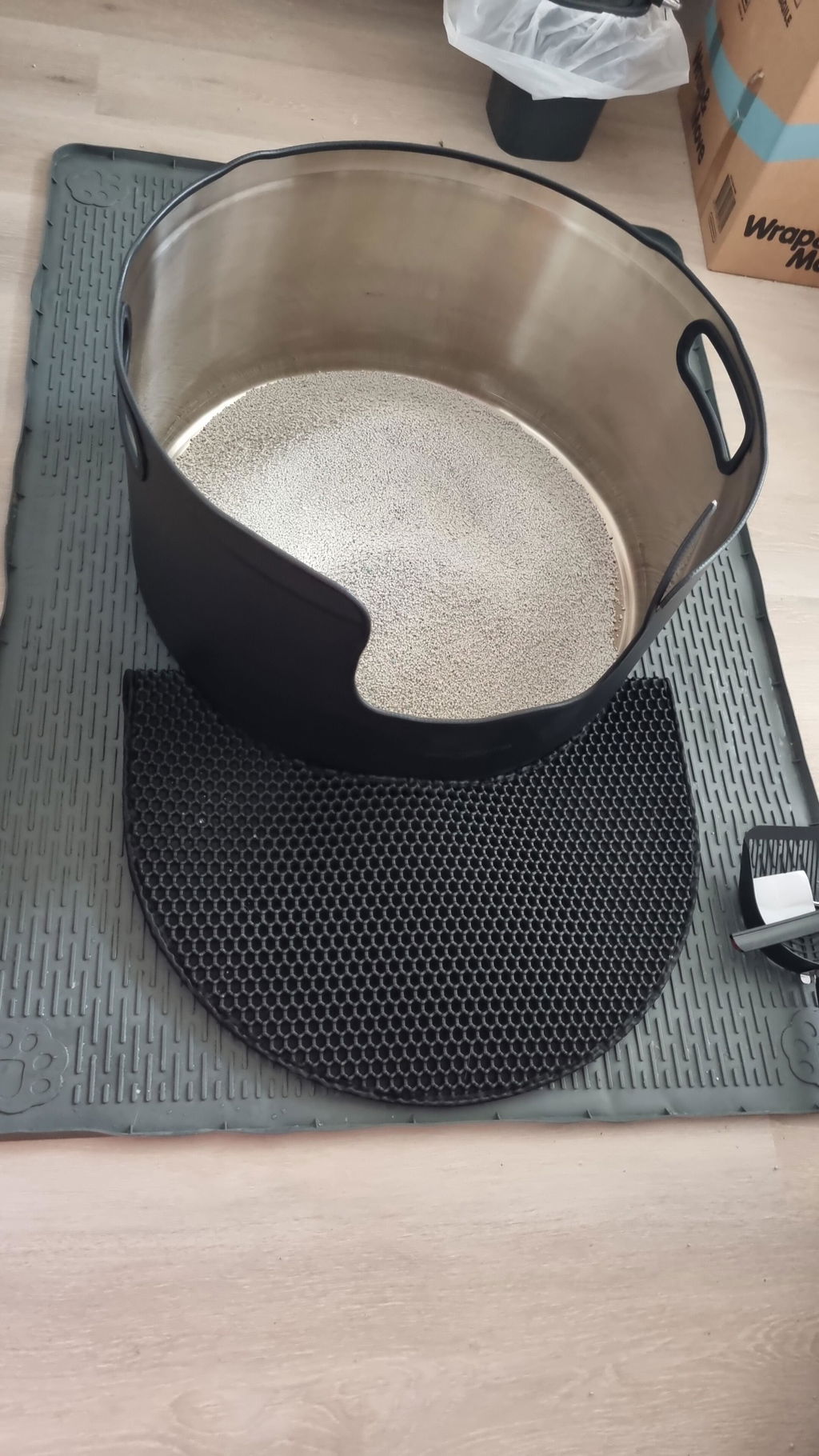
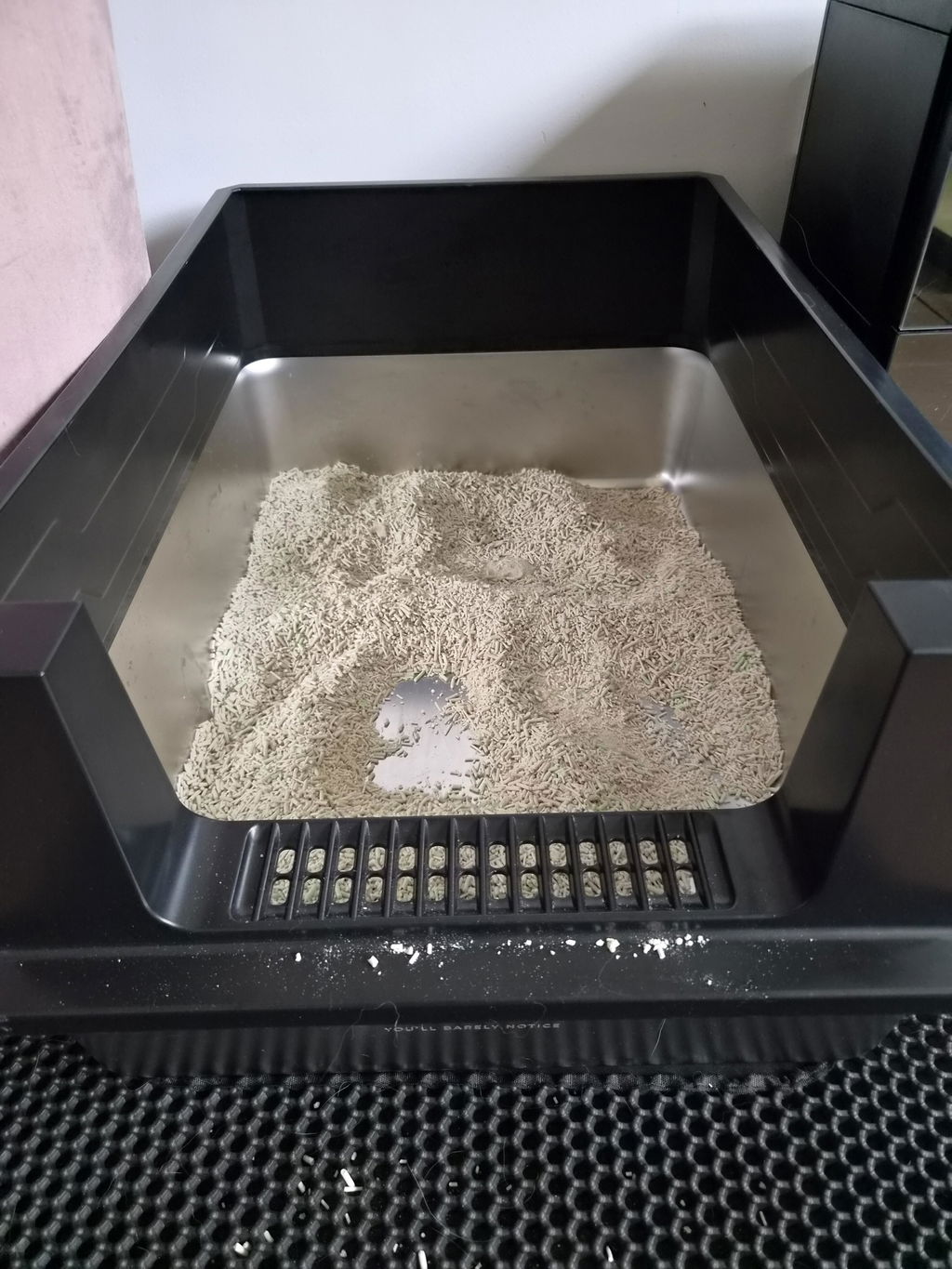
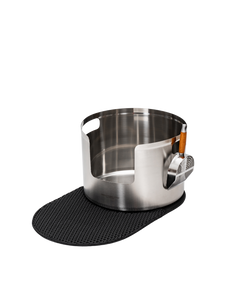
A quality steel tray has few failure points, resists absorbed odour and remains easy to wash. It is a strong fit for owners who prefer daily visibility and do not mind scooping by hand. Compare Barely There sizes and styles.
Choose self-cleaning for appropriate automation
Automation can help busy or mobility-limited households, but it does not remove the need for checks and deep cleaning. Confirm minimum cat age or weight, litter compatibility, internal dimensions, safety sensors, noise and ongoing consumable costs.
What every good setup shares
The box is large, accessible, kept clean and placed somewhere safe. Your cat can enter, turn, dig and leave without conflict. The litter is familiar and unscented enough for their preference. Those basics matter more than any feature list.
Frequently asked questions
Which litter box controls odour best?
No format eliminates odour alone. Fast waste removal, clean litter, ventilation and a surface that washes well are the practical drivers.
Can I use one box for two cats?
Some cats share, but a single resource can create competition. Separate boxes in different locations give choice and reduce the risk of one cat guarding access.
Monitor changes in urine, stool and box use. Contact a veterinarian for straining, pain, blood, repeated small urine clumps or sudden avoidance.