




Kitten training · 7-day plan · Positive routine
Most kittens are ready to use a tray because digging and burying are natural behaviours. Your role is to make the right place easy to find, comfortable to use and consistently clean.
Before day one: build the right setup
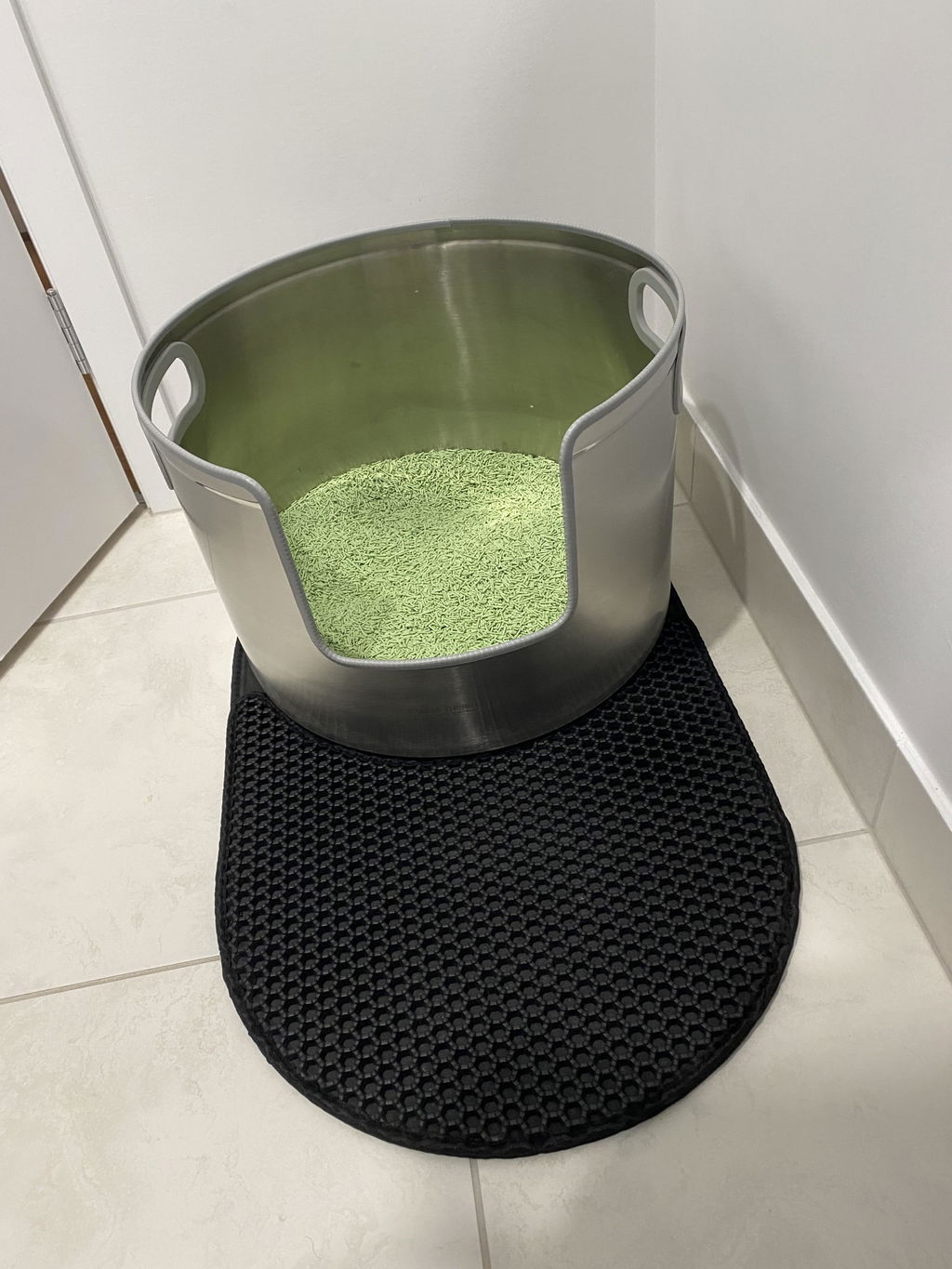
- A tray large enough to turn and dig, with a low entry
- Familiar litter or a soft unscented option
- A quiet spot away from food and water
- An enzymatic cleaner for accidents
- At least one additional tray in a larger or multi-level home
For a growing kitten, choose a roomy box they can enter now rather than a tiny tray that will be replaced in weeks.
Days 1–2: keep the world small
Start your kitten in a calm home base. Show them where the tray is by placing them beside it after waking, eating and energetic play. Let them step in or leave by choice. Scoop promptly so the location stays appealing.
Days 3–4: reward the pattern
Quietly praise successful use and offer a small appropriate reward away from the tray. Watch for the cues that come before toileting—sniffing, circling or searching along edges—then guide the kitten toward the box without rushing.
Days 5–7: expand gradually
Open more of the home once tray use is reliable. Add another box before adding a distant room or new floor. Keep the original box in place while the kitten learns the new map.
If an accident happens
- Do not scold, clap or rub the kitten’s nose in it.
- Clean thoroughly with a pet-safe enzymatic product.
- Check that the tray is easy to reach and clean.
- Consider placing a temporary tray near a repeated accident spot.
- Read our troubleshooting guide if accidents continue.
Know the medical warning signs
Straining, crying, repeated tiny wees, blood, diarrhoea, constipation, vomiting, lethargy or appetite loss need veterinary advice. A sudden setback is not bad behaviour until health problems have been ruled out.
Frequently asked questions
How long does litter training take?
Many kittens understand the setup within days, but reliability depends on age, prior experience, health and how large the home is. Focus on steady access rather than a deadline.
Can kittens use an enclosed litter box?
Some will, but start with easy access and enough internal space. Remove a flap if it creates hesitation, and offer an open option if you are unsure.
General training information only. Seek veterinary advice for pain, straining, blood, persistent digestive signs or a sudden change in box use.