

Material guide · Plastic vs steel · Buying advice
Plastic litter boxes are not inherently dangerous, and stainless steel is not magic. The meaningful differences appear over time: how the surface wears, how easily it comes clean and how often you need to replace it.
Where plastic makes sense
Plastic trays are lightweight, inexpensive and available in almost every shape. They can be a sensible temporary box, travel option or way to test a new layout. The drawback is ageing: digging and abrasive cleaning can roughen the surface, making residue and odour harder to remove.
Where stainless steel earns its premium
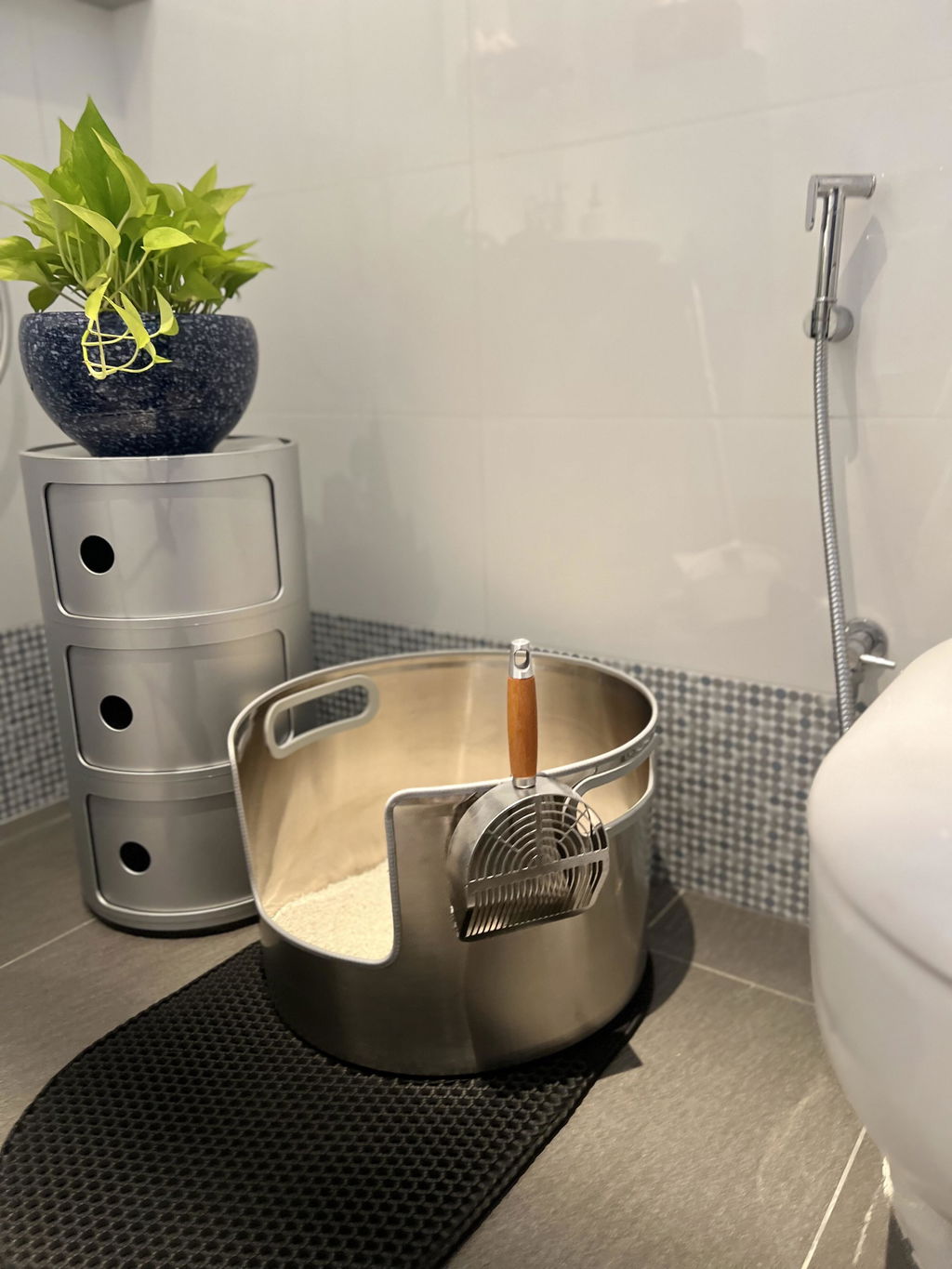
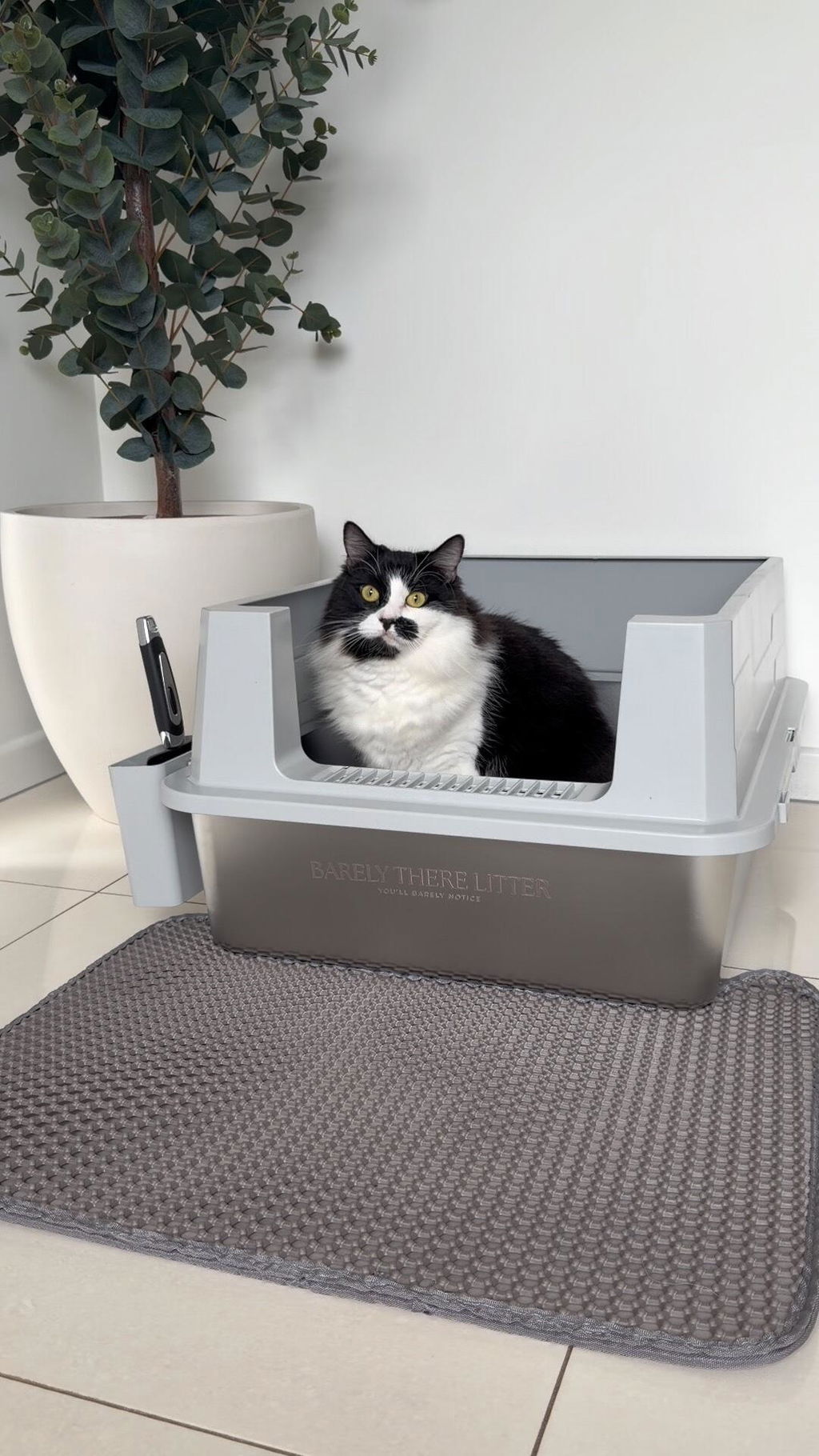
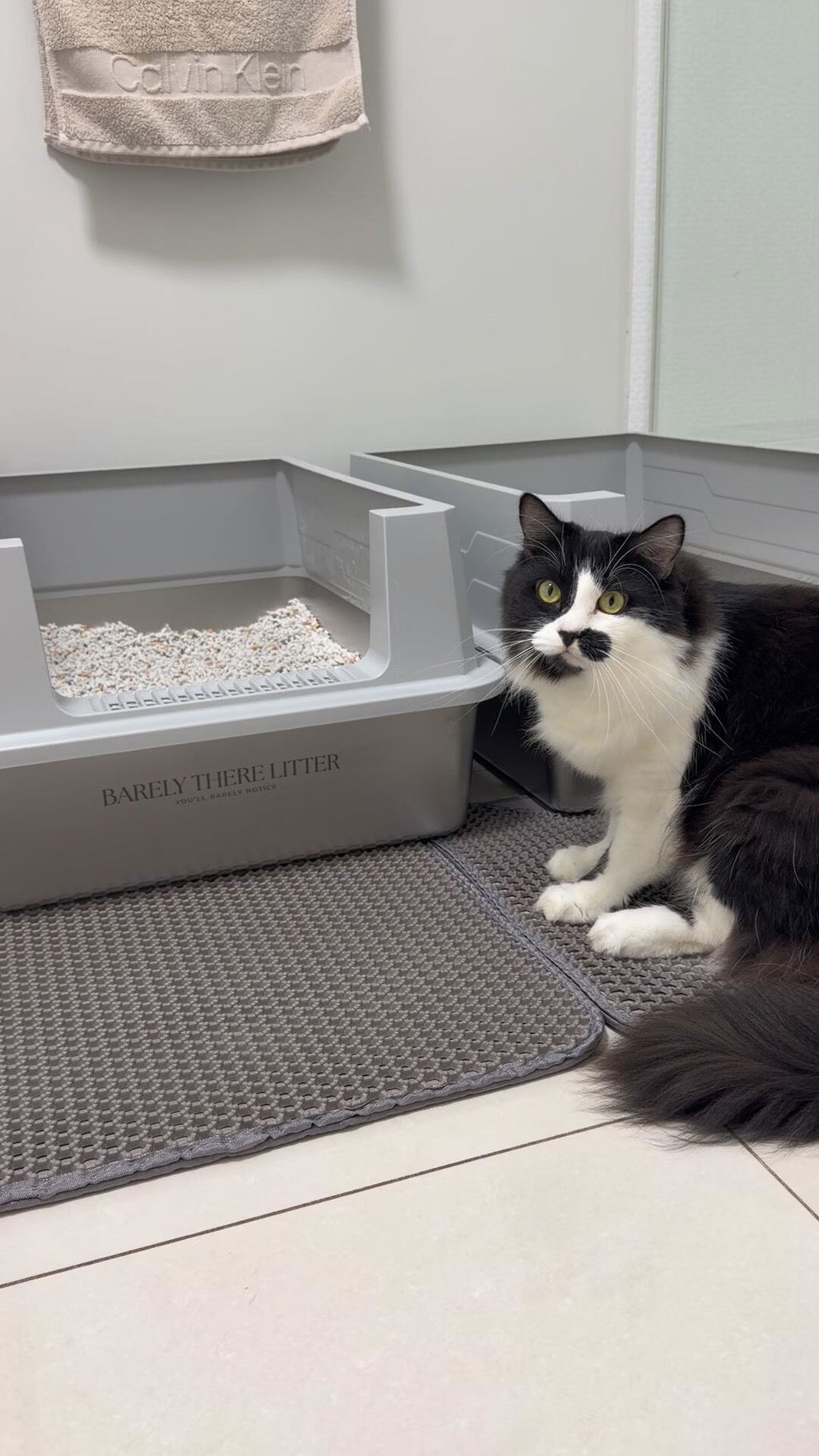
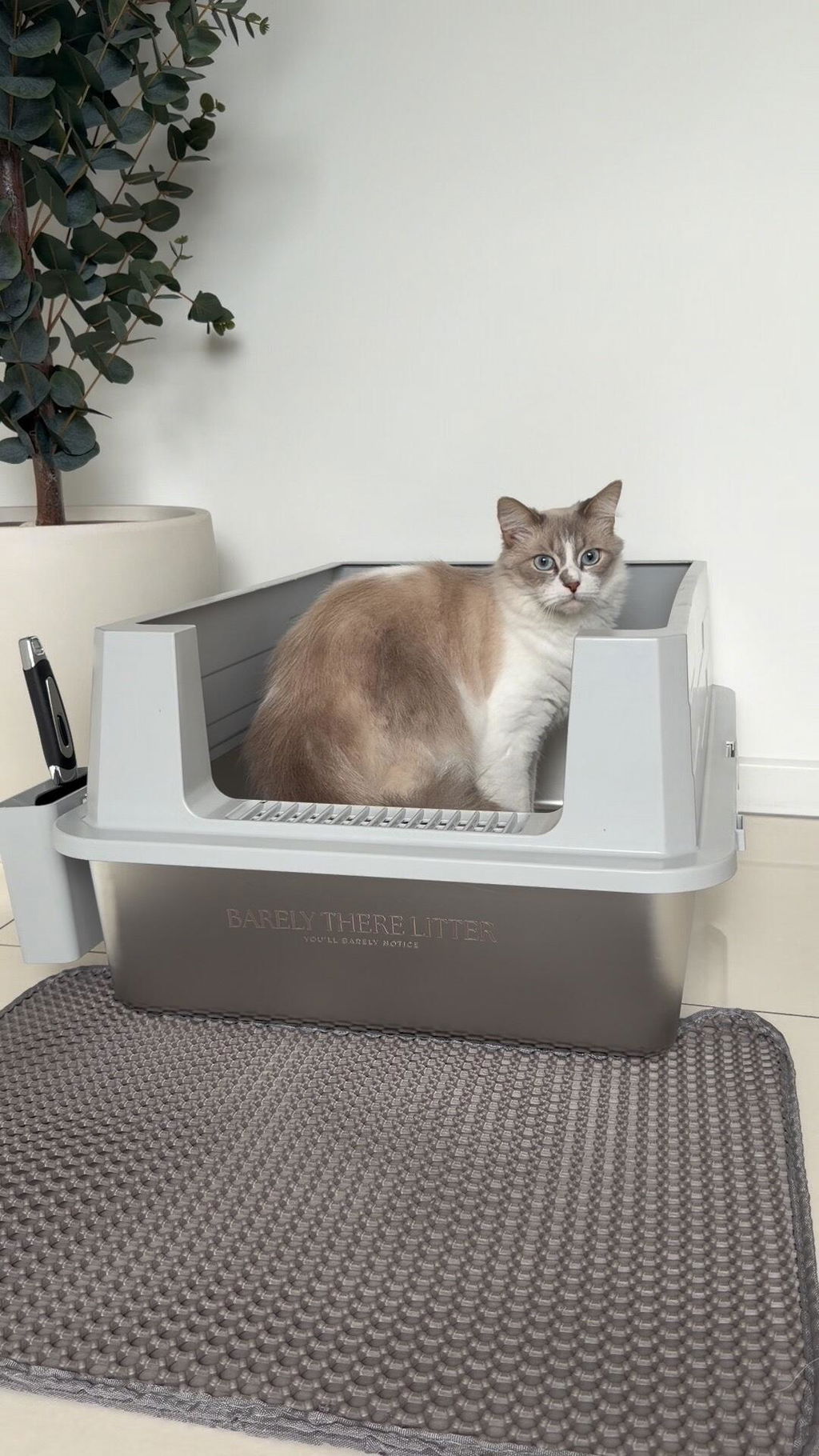
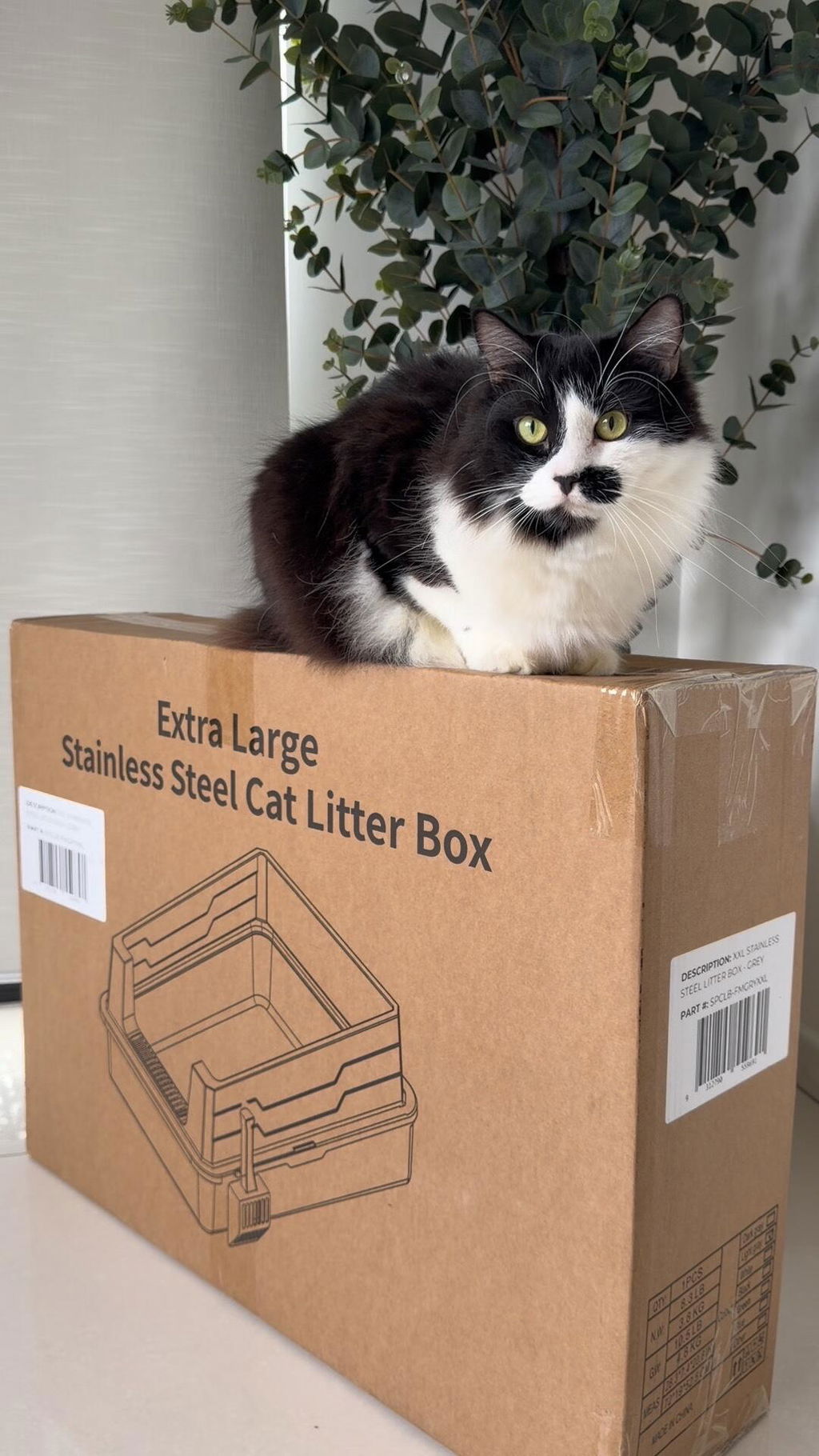
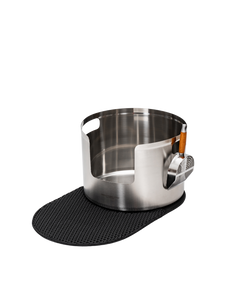
A stainless steel tray offers a smooth, durable surface that is easy to wash and does not absorb moisture. It is heavier than thin plastic, which can feel stable under a larger cat, and it maintains a more refined appearance through repeated cleaning.
Grade and construction still matter. Look for quality steel, finished edges, a stable base and a wall height that suits your cat.
Compare the whole setup
| Priority | Plastic | Stainless steel |
|---|---|---|
| Upfront cost | Usually lower | Usually higher |
| Weight | Lighter | More substantial |
| Surface over time | Can scratch and roughen | Durable and easy to rinse |
| End-of-life | Depends on local plastic recycling | Valuable recyclable metal |
The cat-first checklist
Before deciding on material, make sure the tray is large enough, easy to enter, located somewhere quiet and filled with a litter your cat accepts. A perfect material in the wrong size is still the wrong box. Start with our litter box selection guide.
Frequently asked questions
Should I replace a scratched plastic litter box?
Replace it when the surface is rough, cracked, difficult to clean or holding odour after a thorough wash. A few cosmetic marks alone are not an emergency.
Is stainless steel safer for cats?
Both materials can be used safely when the product is well made and kept clean. Steel’s practical advantage is a durable, readily cleanable surface—not a promise to prevent disease.