

Large cats · Sizing · Comfort
A Maine Coon needs more than a box labelled “large”. The best fit gives your cat room to enter, turn, dig and toilet without brushing every side—and it still needs to work in your home.
Start with your cat, not the breed label
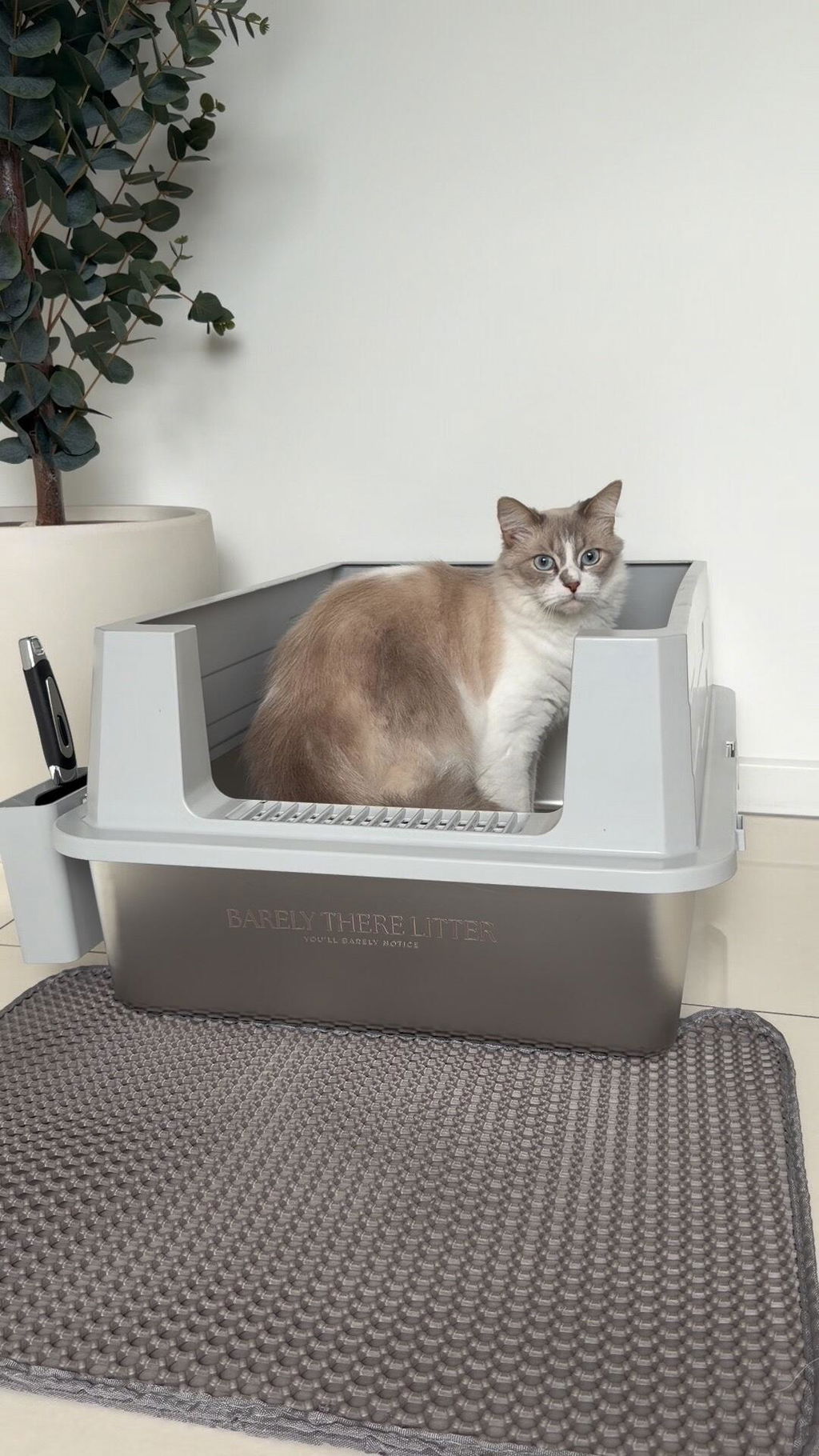
Maine Coons, Ragdolls, Norwegian Forest Cats and mixed-breed cats can vary widely. Measure the cat standing naturally, then check the usable inside dimensions of the tray—not just the outside packaging.
- Length: enough room to turn without stepping out.
- Width: space to adopt a comfortable posture and dig.
- Entry: low enough for mobility, high enough to contain the litter habits of your cat.
The Feline Veterinary Medical Association uses 1.5 times nose-to-tail-base length as a helpful sizing benchmark. When that ideal is difficult indoors, choose the roomiest practical option and watch how freely your cat moves.
Why material matters more with a bigger box
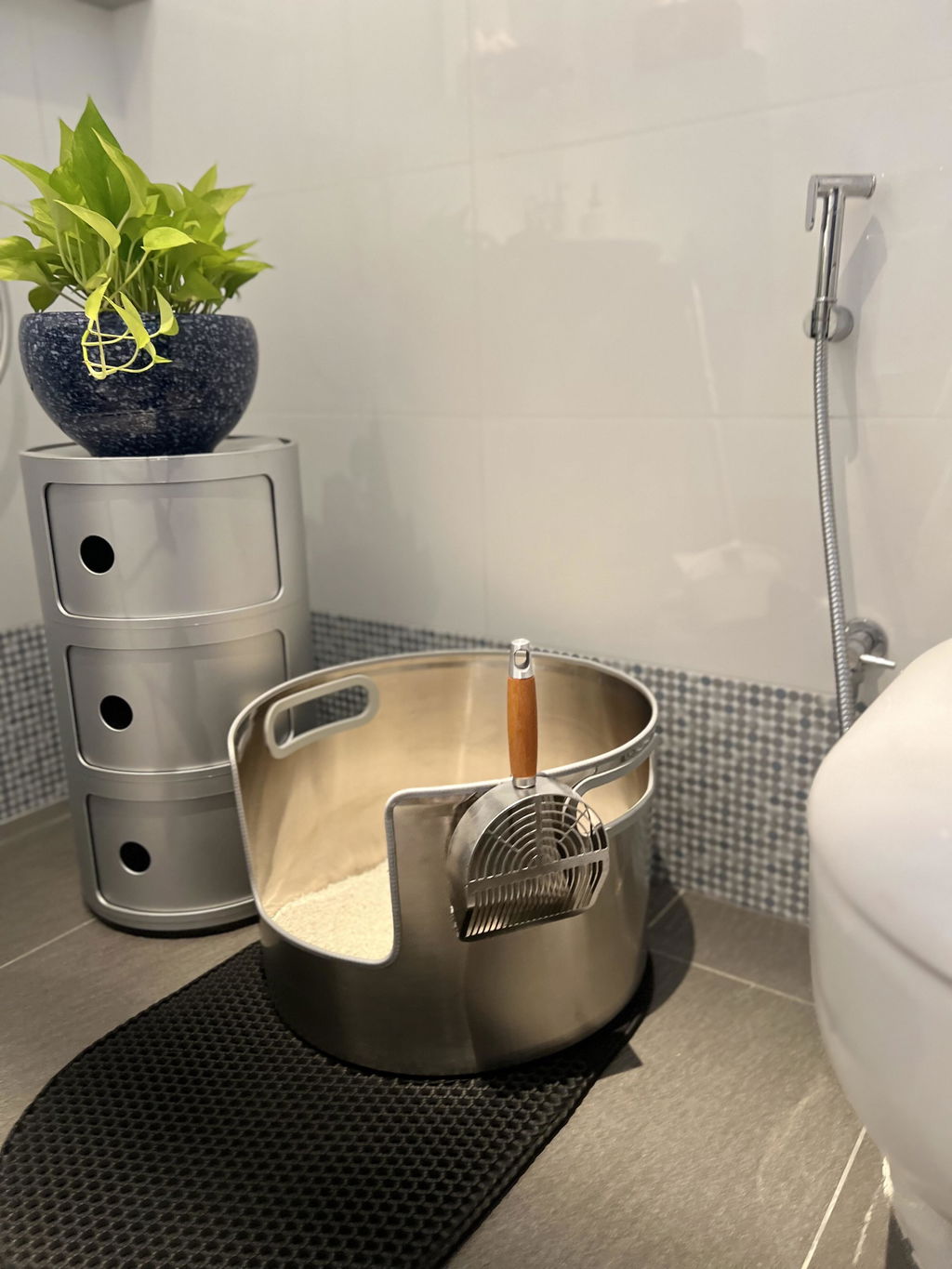
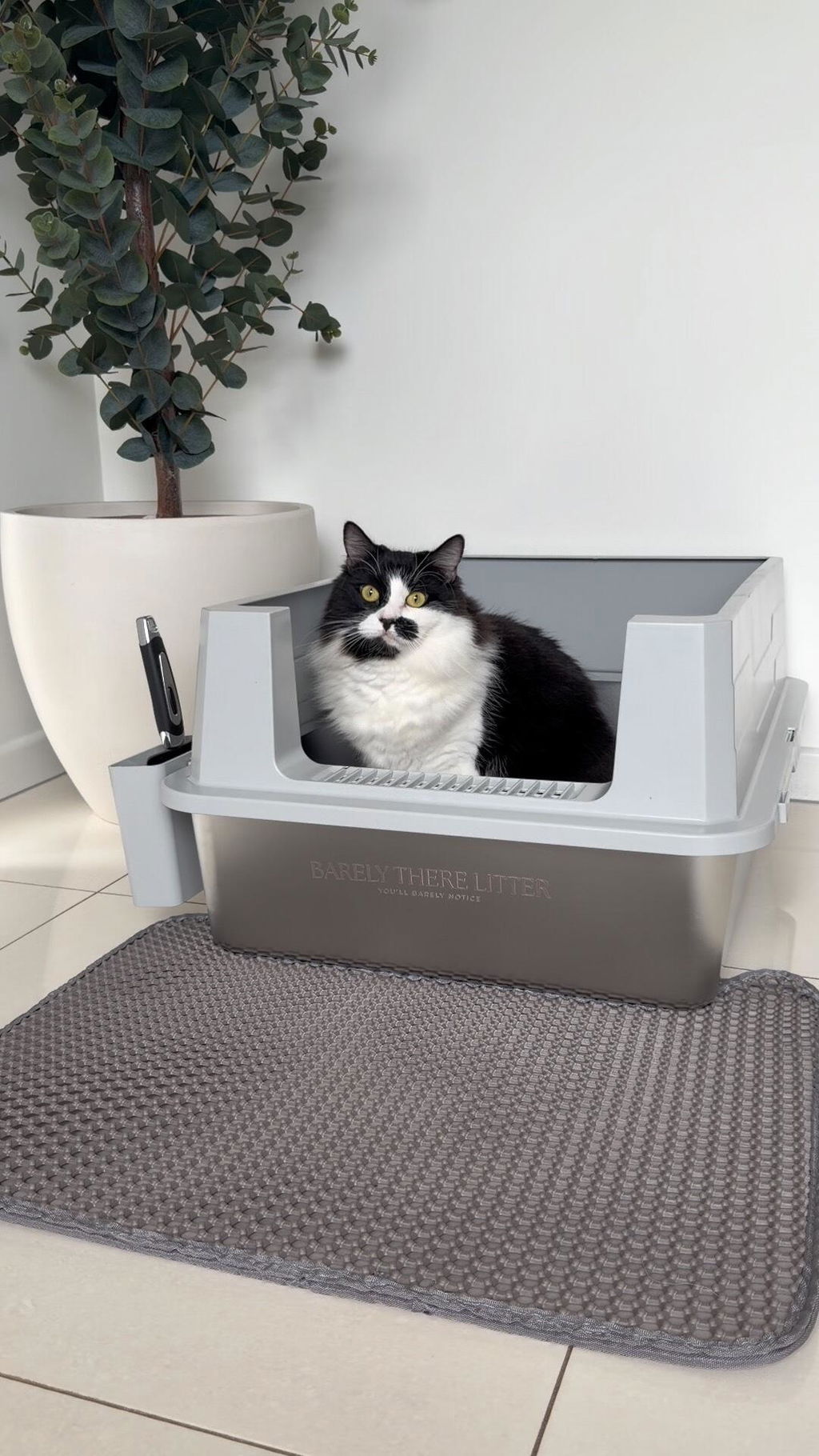
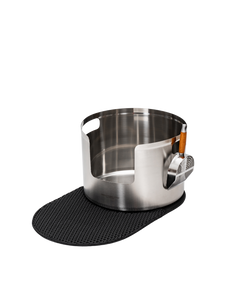
Large cats put more wear through a tray. A smooth stainless steel base is durable, easy to wipe and less likely to hold lingering odour than a heavily scratched plastic surface. High walls can also help cats that dig enthusiastically or toilet standing up.
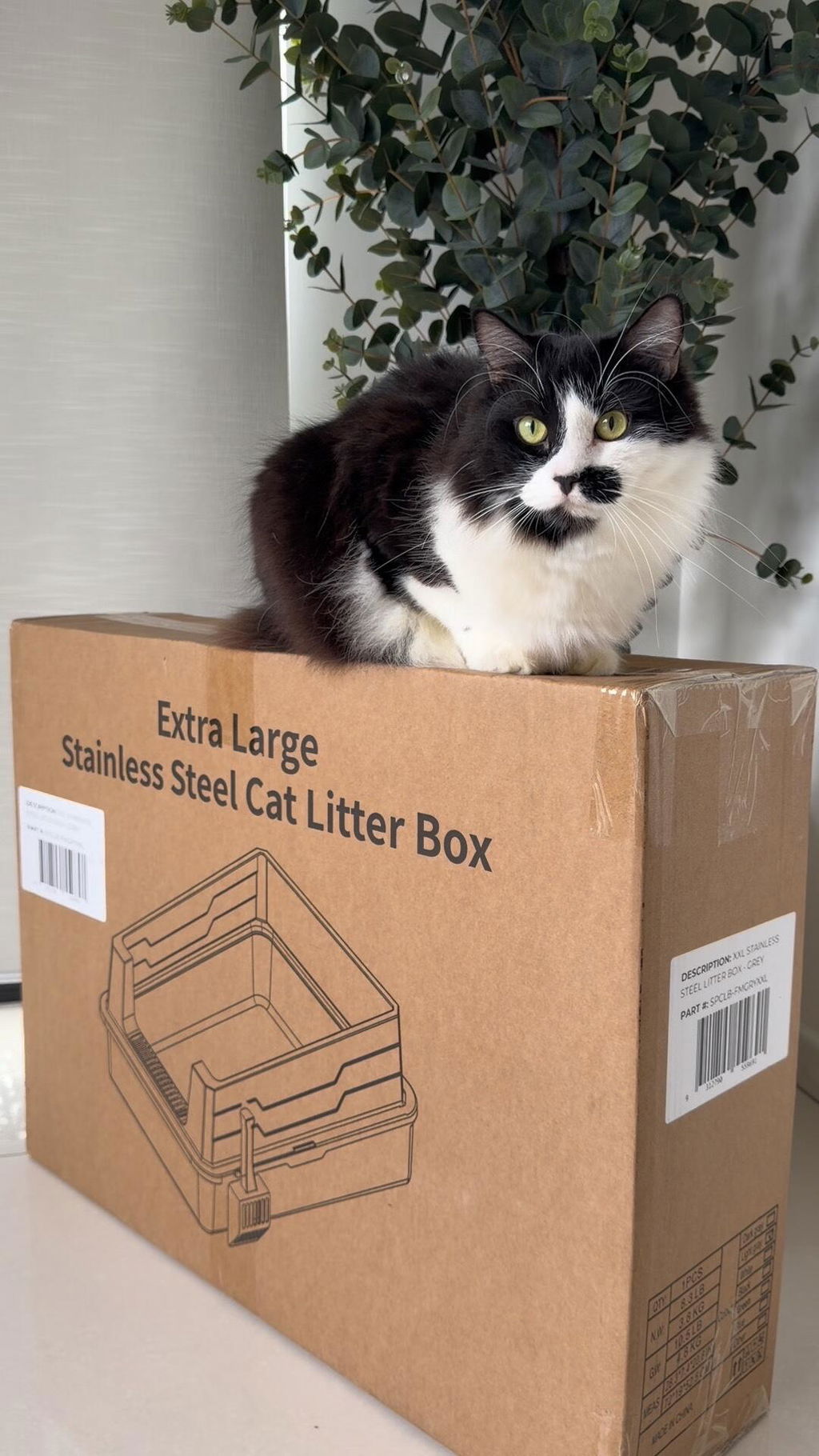
For big cats, our XXL stainless steel litter box is the place to start. Compare its internal dimensions with your measurements and check that your cat can enter without crouching or twisting.
Set up the box for success
- Place it in a quiet, accessible area with a clear exit route.
- Add your cat’s familiar litter rather than changing box and litter on the same day.
- Keep litter at a depth your cat already accepts.
- Scoop at least daily and wash the tray with mild detergent as needed.
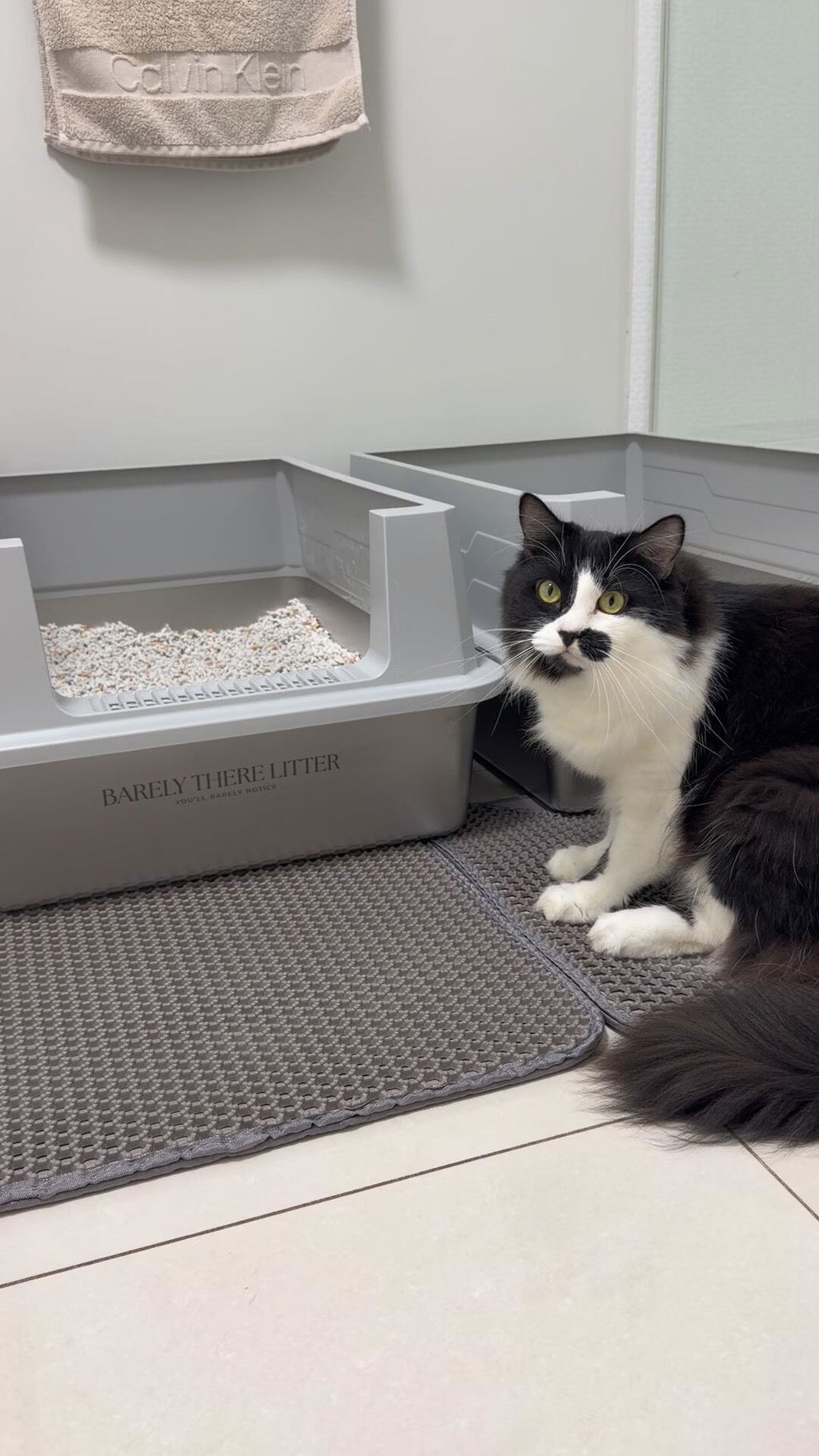
- In multi-cat homes, provide separate resources so one cat cannot guard the only box.
Signs the box is too small
Take another look at sizing if your cat balances on the rim, turns repeatedly before settling, leaves their front half outside, regularly kicks most litter over the edge or toilets beside an otherwise clean box. A sudden change in toileting can also be medical, so contact your vet rather than assuming the tray is the only cause.
Frequently asked questions
Are open or enclosed boxes better for Maine Coons?
Many large cats find open trays easier because there is no roof restricting posture or turning space. If you prefer an enclosure, compare the usable internal height and floor area with your cat—not just the product’s outside dimensions.
How many litter boxes does a large cat need?
The cat-friendly principle is one box per cat plus one extra, placed in separate useful locations. Space may limit that ideal, but avoid making one cramped box carry the whole household.
General cat-care information only. New straining, pain, blood, constipation or toileting outside the box warrants veterinary advice.