

Buying guide · Size · Style · Material
The best litter box is not simply the most expensive or the most enclosed. It is large enough for your cat, accessible for their body, compatible with their litter and realistic for you to clean every day.
1. Measure the cat and the usable floor
Measure from nose to the base of the tail. Around 1.5 times that length is a useful benchmark for box length, though the largest practical option is better than waiting for a perfect fit that will not work in your home. Compare internal dimensions and allow turning room.
2. Match the entry to mobility
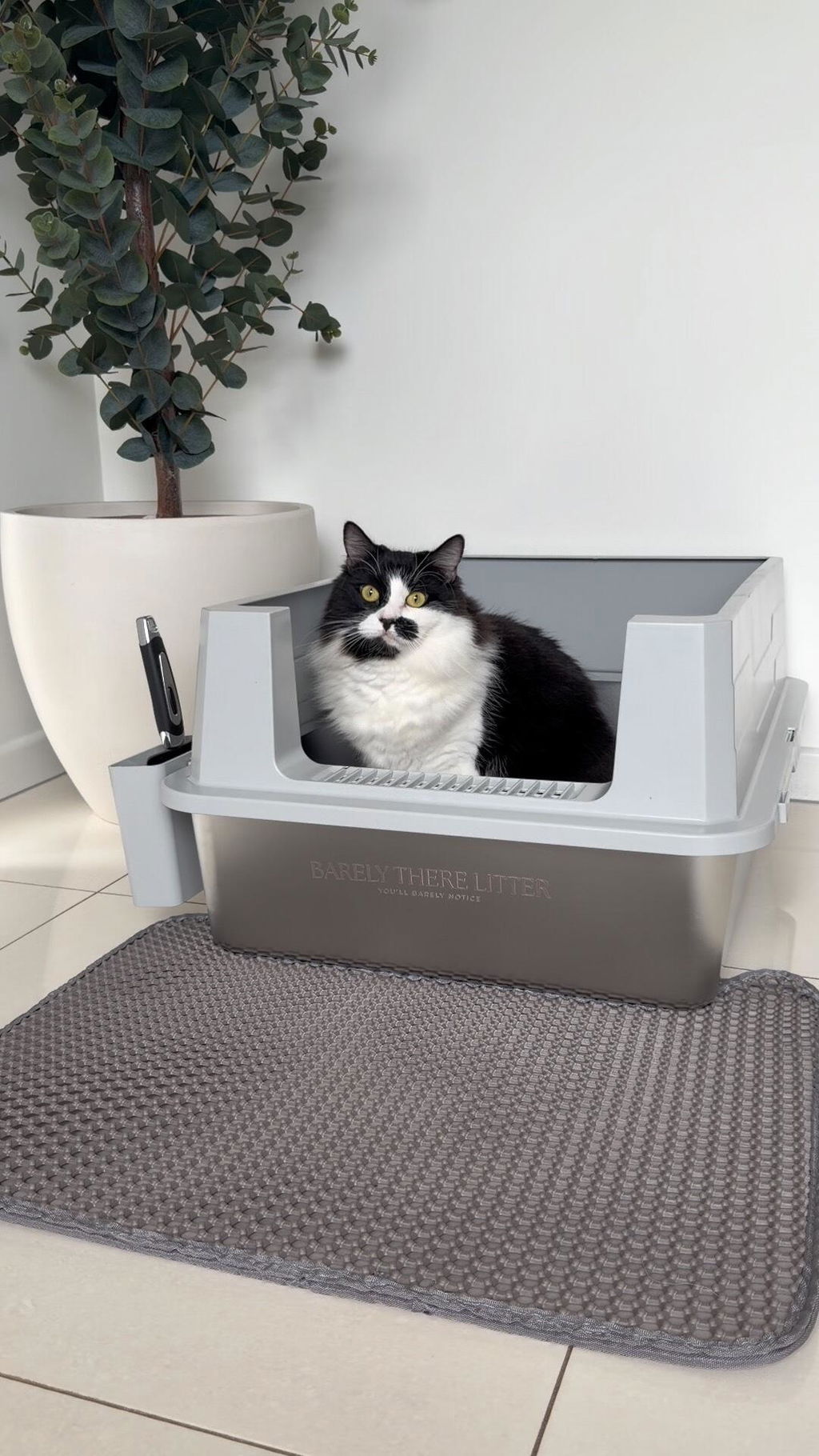
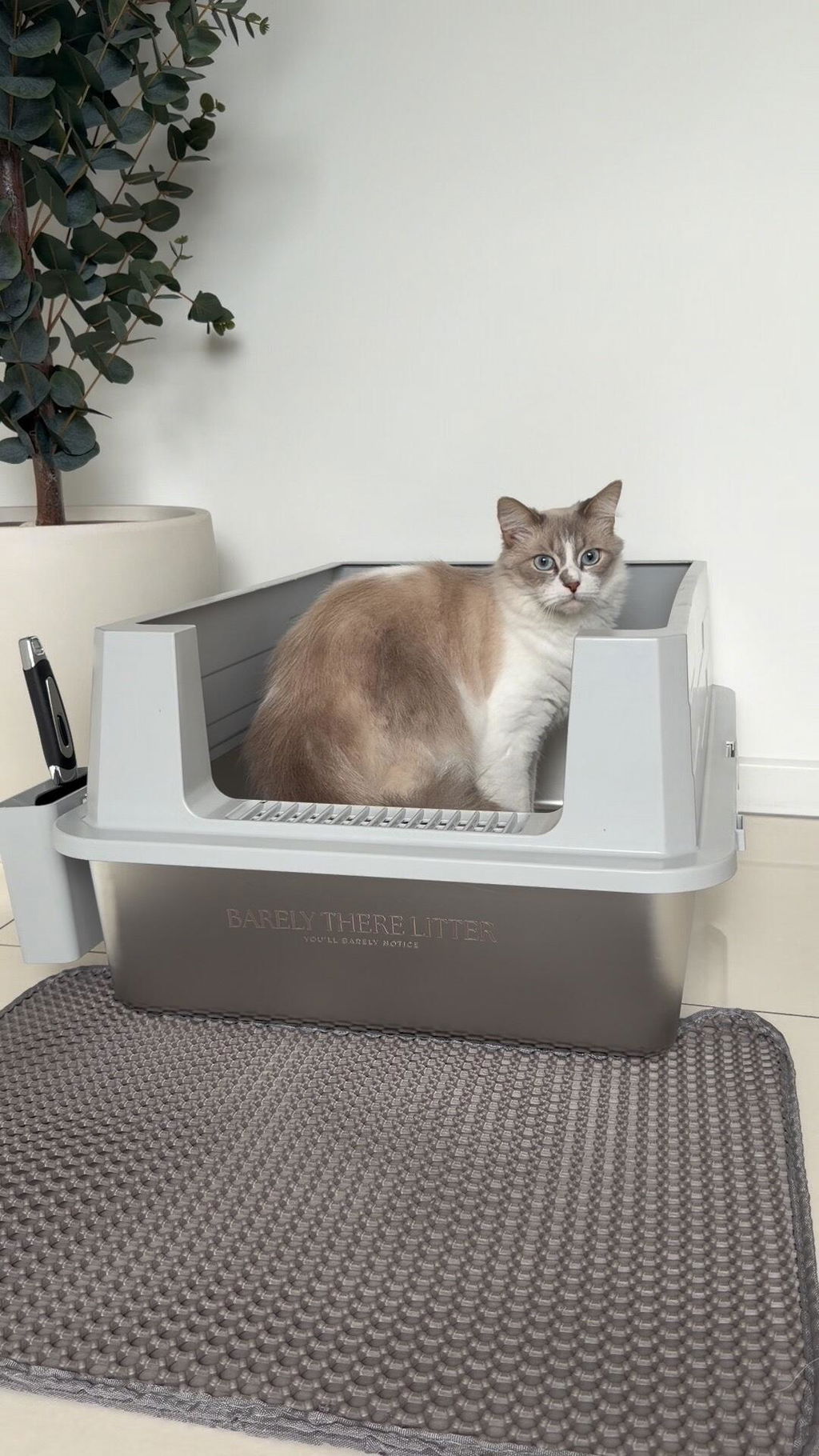
Kittens, healthy adults and senior cats have different access needs. A low entry helps cats with arthritis, weakness or short legs; higher walls help enthusiastic diggers and cats that toilet standing. A low doorway with taller walls elsewhere can balance both.
3. Decide between open and enclosed
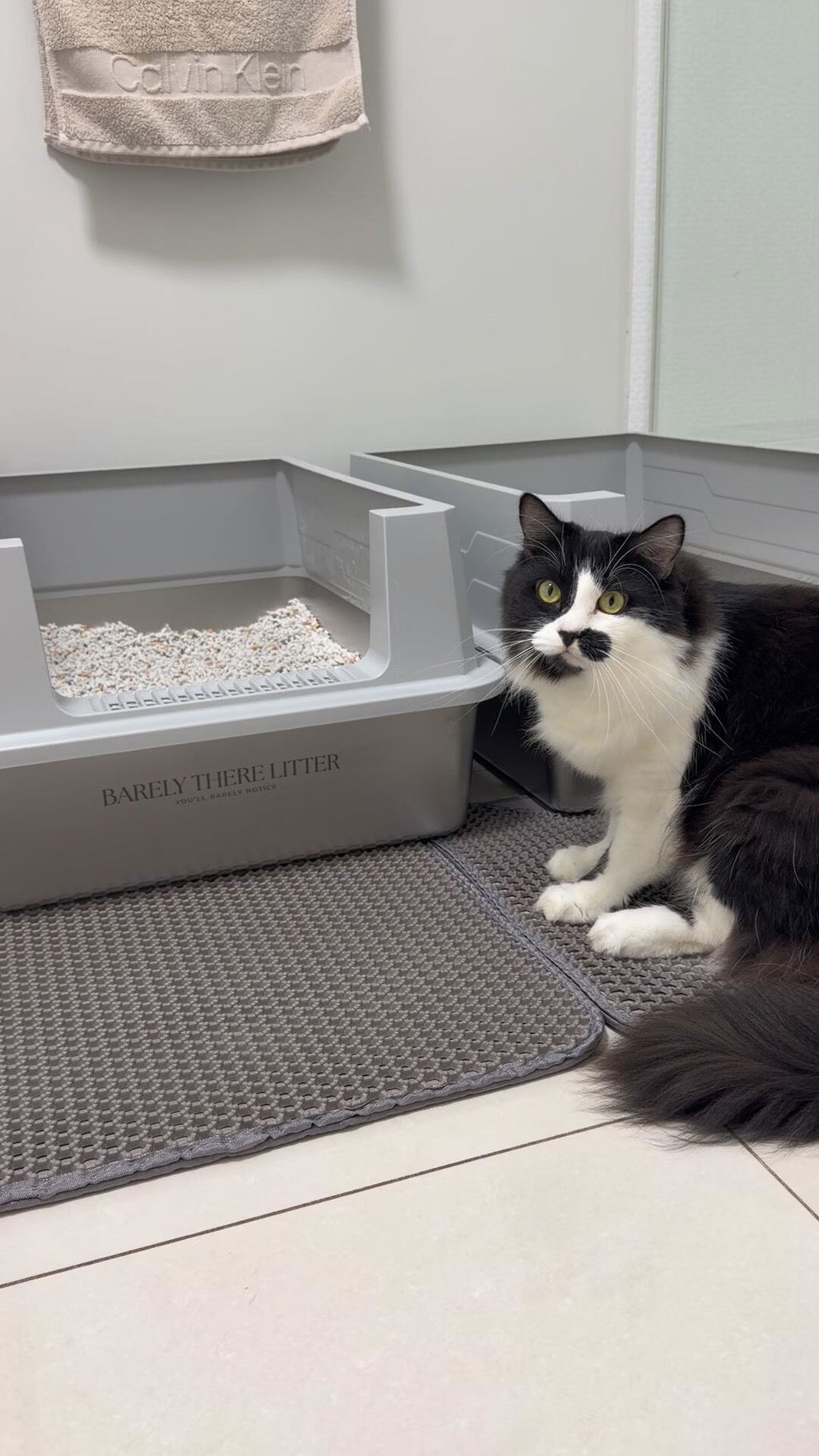
Open trays maximise headroom, visibility and airflow. Enclosed boxes contain scatter and offer visual privacy, but only when the interior is genuinely roomy and ventilated. If you are unsure, let your cat choose between two equally clean options.
4. Choose a surface you will maintain
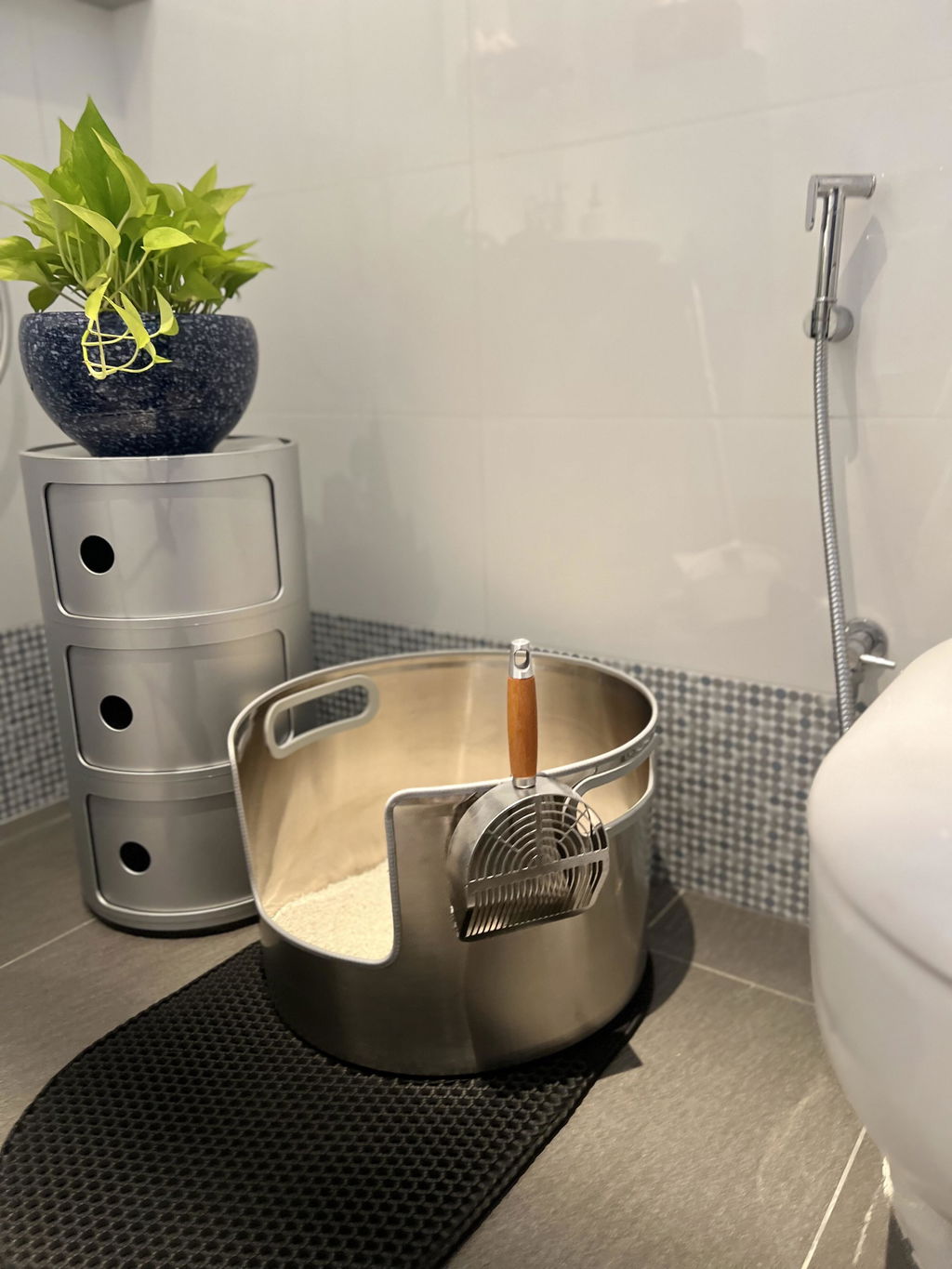
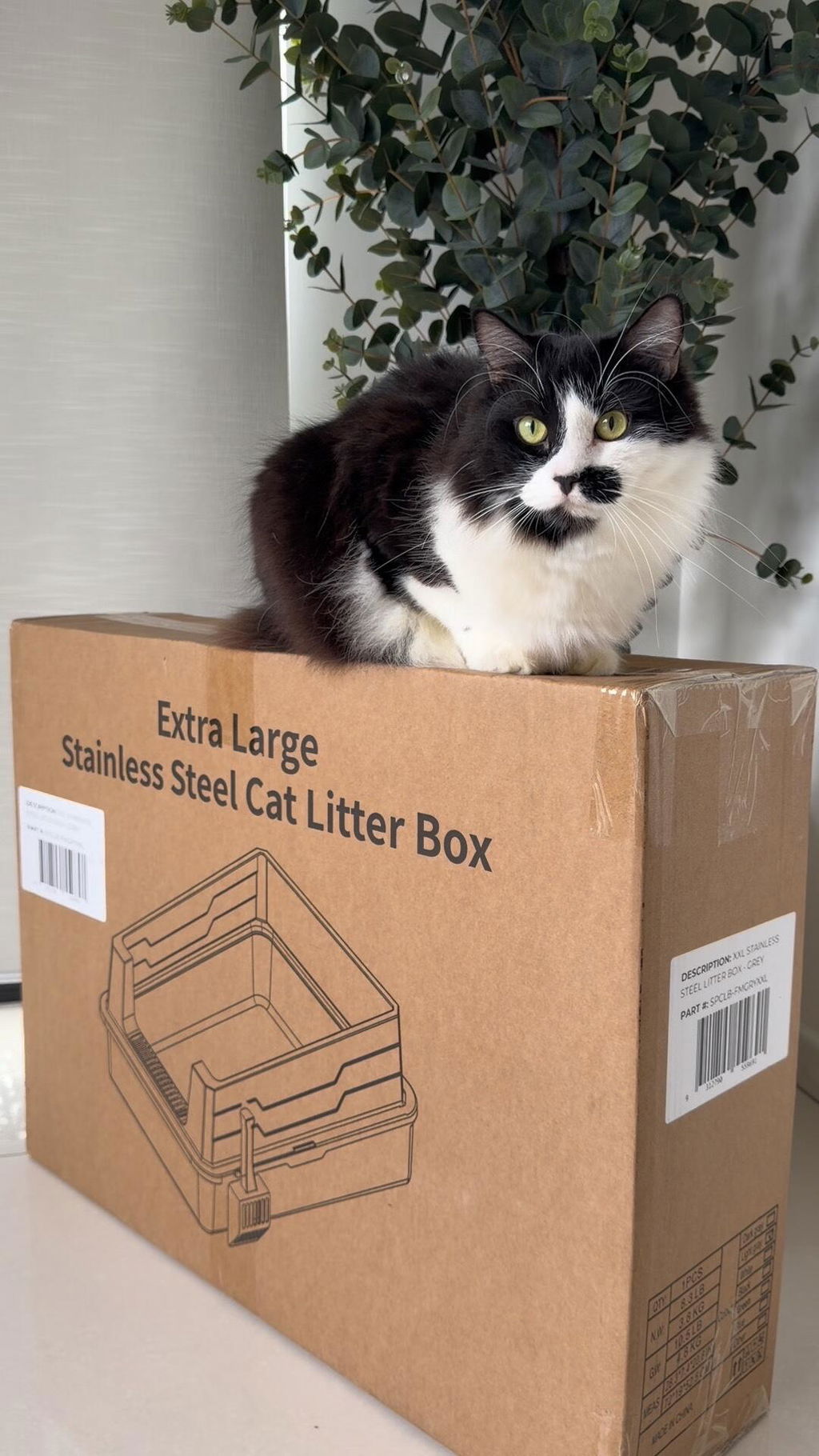
Plastic is inexpensive and light. Stainless steel has a higher upfront cost but offers a durable, non-absorbent, easy-to-clean surface. Automatic boxes reduce some scooping but add mechanisms, filters or app dependence. There is no benefit if the format makes deep cleaning harder for you.
5. Check litter compatibility
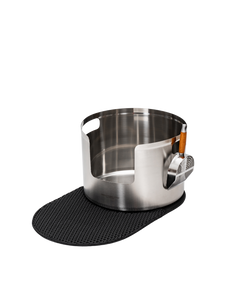
Standard trays accept most cat litters. Sieve systems are designed around a specific clumping or pellet workflow; check hole size, tray depth and the maker’s recommendations. Explore our stainless steel sieve options if separating clean litter is a priority.
6. Plan the location before buying
Choose a quiet, accessible position away from food and water. Avoid dead ends where another cat can block the exit. In multi-level homes, easy access on each level becomes especially important for older cats.
Frequently asked questions
What is the best litter box for most cats?
A roomy, easy-to-enter box in a quiet location is the strongest starting point. The final choice depends on your cat’s body size, mobility, digging style and preference for open or covered spaces.
Should I change the box and litter together?
Avoid changing both at once. Move familiar litter into the new tray and keep the old option nearby during a gradual transition.
Sudden litter-box avoidance, straining, pain or blood may indicate illness and should be assessed by a veterinarian.