
Large cats · Measuring · Box dimensions
Large cats expose vague sizing labels quickly. “XL” can describe the outside footprint, a tall lid or generous-looking walls while leaving surprisingly little usable floor space inside.
Take three useful measurements
- Body length: nose to base of tail while standing naturally.
- Shoulder height: important for covered boxes and doorways.
- Comfortable step height: especially for seniors, short-legged cats or cats with joint pain.
Around 1.5 times body length is a helpful ideal for tray length. If your home cannot fit that, select the largest practical tray and observe your cat’s movement.
Read dimensions like a designer
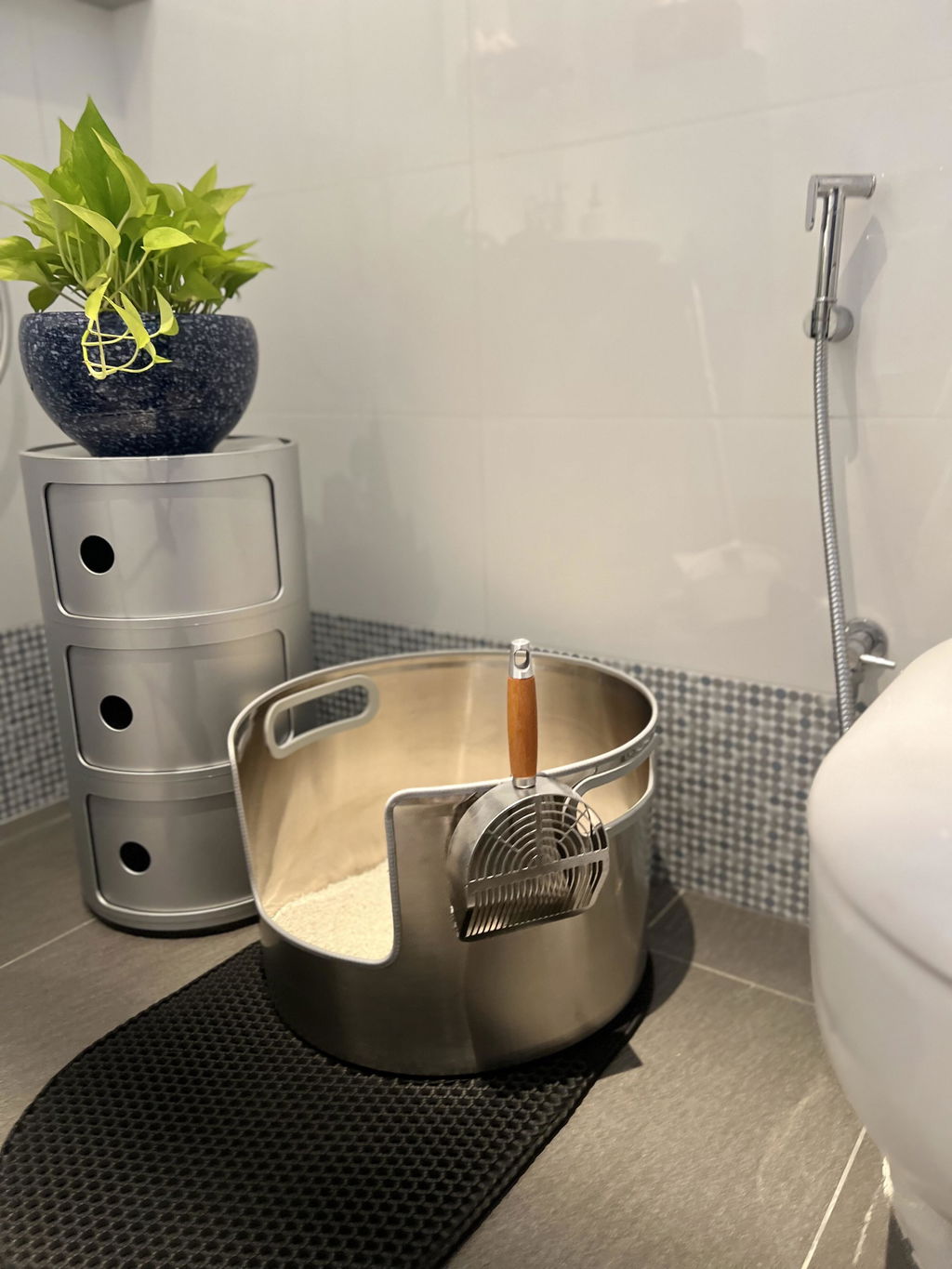
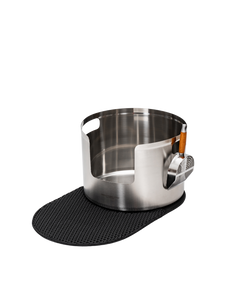
External measurements include rims, tapers, handles and steps. Ask for internal floor length and width. In an enclosed box, also check clear ceiling height and door opening. A tall shell does not help if the usable floor is narrow.
Match walls to toileting style
High walls help with scatter and standing urination; an accessible cut-out reduces the climb. Cats that dig vigorously may benefit from a broad paw-cleaner step and mat. Cats that crouch low need floor area more than towering sides.
Choose between large and XXL
Use the Maine Coon and big-cat guide for breed-specific advice, then compare our XXL stainless steel options. If your cat is between sizes, the roomier tray is usually the kinder choice when the space allows.
Frequently asked questions
Is 62.5 cm long enough for every large cat?
No single dimension fits every cat. Measure your individual cat and compare with the usable interior. Very long cats may need an XXL format or the largest practical open tray.
Do large cats need more litter depth?
Not automatically. Use the depth your cat prefers and the litter maker recommends. Extra depth can increase scatter or make footing unstable for some cats.
Litter-box avoidance can have medical or behavioural causes. Seek veterinary advice when a change is sudden or accompanied by pain, straining or blood.