
Kitten health · Parasites · Veterinary care
Intestinal parasites are common in kittens, but you cannot reliably identify the type—or the right treatment—from symptoms alone. A veterinary check and faecal test are the safest route.
Signs worth checking
- Visible worms or rice-like segments in stool or around the anus
- Diarrhoea, mucus or blood
- Vomiting
- Poor weight gain or weight loss
- A swollen-looking abdomen with a thin body
- Dull coat, lethargy or pale gums
These signs have other possible causes. Photograph anything unusual and contact your clinic rather than choosing a product from appearance alone.
How a veterinarian confirms parasites
A faecal examination can detect eggs or other parasite stages, although more than one sample or test may be needed. Your vet will also assess hydration, weight, gum colour and the kitten’s overall condition. Bring a fresh sample only if the clinic requests it and follow their handling instructions.
Treatment is not one-size-fits-all
Products cover different parasites and have minimum ages, weights and dosing intervals. Outdoor access, fleas, hunting, other pets and local risks all influence the plan. Use an Australian-registered product recommended for your individual kitten; never use a dog parasite product on a cat unless a veterinarian specifically directs it.
Reduce reinfection at home
- Scoop faeces promptly and wash hands afterwards.
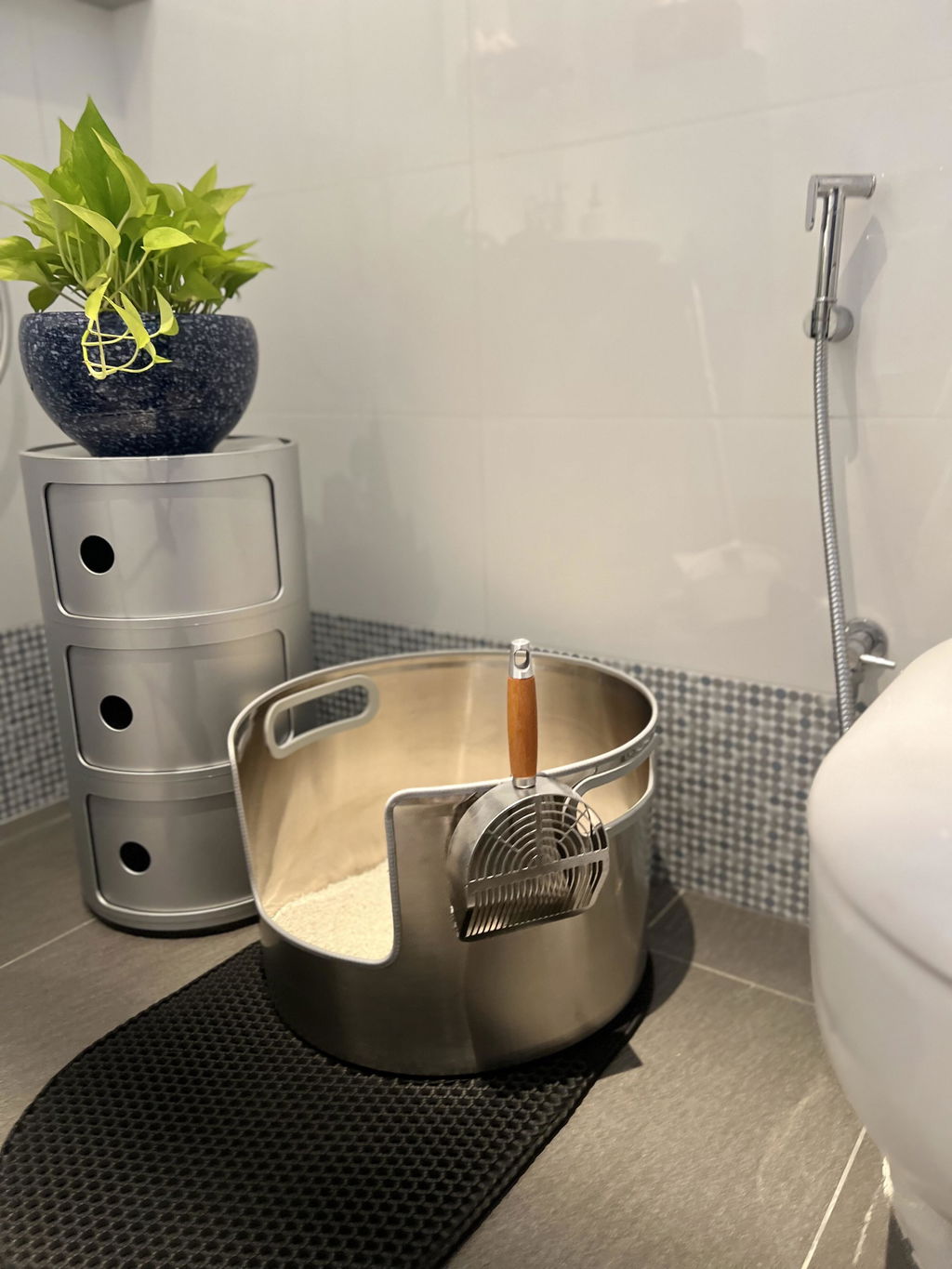
- Clean the tray with mild detergent and rinse well.
- Keep flea prevention current when advised, because fleas can transmit tapeworm.
- Wash bedding and clean shared areas as directed by your vet.
- Arrange follow-up testing if recommended.
When it is urgent
Seek urgent advice for collapse, very pale gums, repeated vomiting, significant blood, a swollen painful abdomen, severe diarrhoea, dehydration, breathing difficulty or a kitten that will not eat. Young kittens can deteriorate quickly.
Frequently asked questions
Can indoor kittens get worms?
Yes. Exposure can occur through the mother, fleas, contaminated environments, prey or infected housemates. Indoor status changes risk but does not make it zero.
Can I see all worms in the litter box?
No. Eggs are microscopic and many infections produce no visible adult worms. A normal-looking stool does not rule parasites out.
Veterinary information only, not a diagnosis or dosing guide. Use parasite products only as directed for your kitten’s age, weight and health.