

Senior cats · Mobility · Accessible design
A high lip can become a daily obstacle when a cat develops stiffness, arthritis, weakness or reduced balance. A lower entry restores an ordinary routine without making the whole tray shallow and messy.
Why access changes with age
Senior cats may move more carefully, hesitate before jumping or stop lifting their back legs as high. Vision changes and pain can make a narrow or slippery entry harder again. These shifts may be subtle: pausing at the rim, stepping in one paw at a time or toileting just outside the box.
What a senior-friendly box looks like
- Low entry: reduces the step-over height at the doorway.
- Stable base: does not slide as weight shifts.
- Room to turn: avoids twisting stiff joints in a cramped space.
- Higher back and sides: contain litter and standing urination.
- Easy-clean surface: supports more frequent care when habits change.
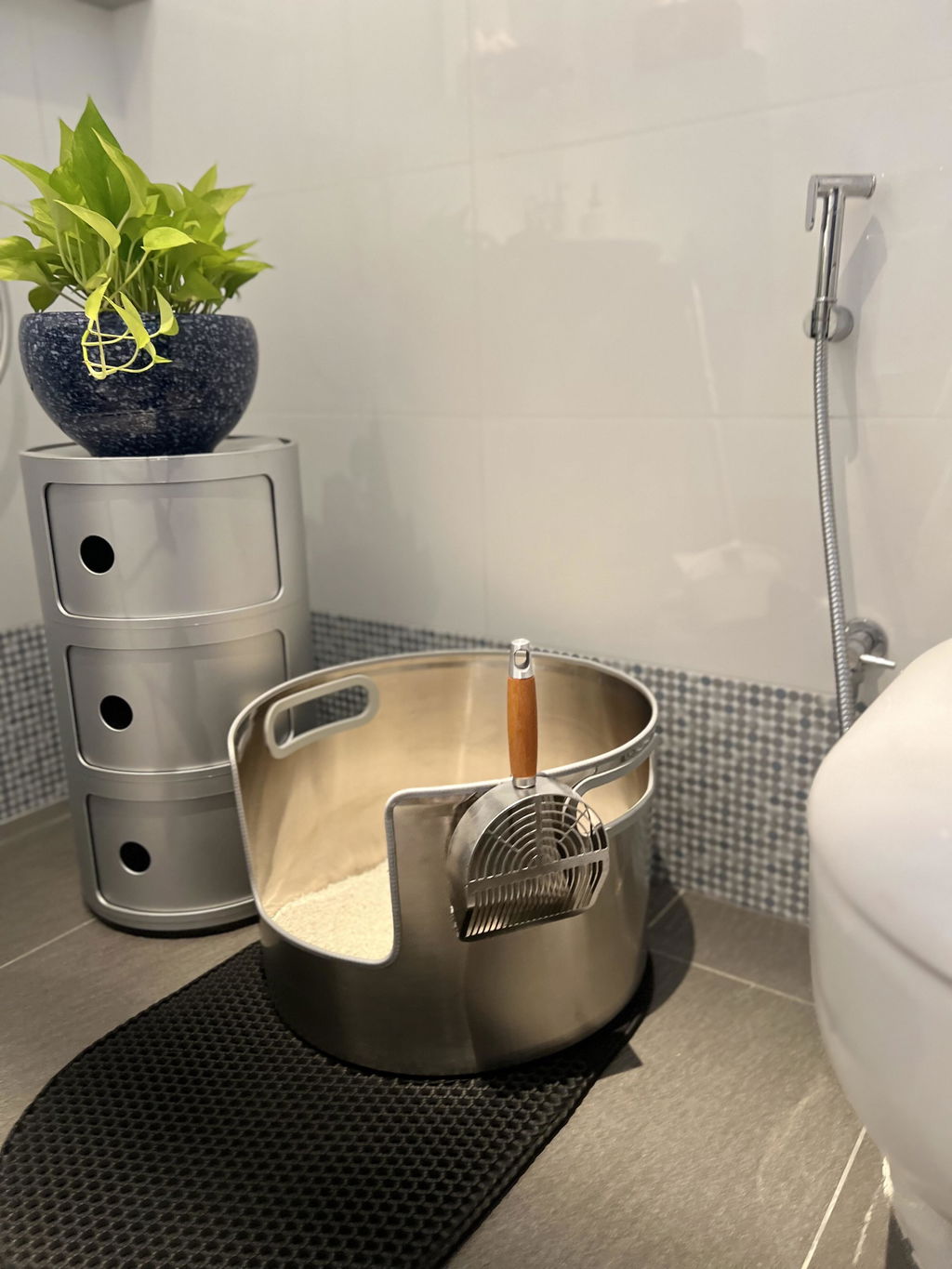
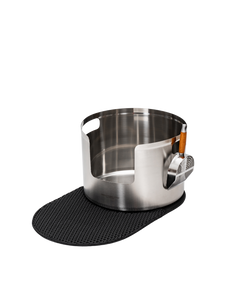
Our round low-entry stainless steel litter box combines an accessible doorway with protective walls around the rest of the tray.
Placement matters as much as the doorway
Place at least one box on the level where your cat spends most of their time. Avoid slippery approaches, loud appliances and tight dead ends. A non-slip mat outside can improve confidence, but check that its edge does not create another trip hazard.
Make the change gradually
- Place the new tray beside the familiar one.
- Use the same litter and depth.
- Transfer a small amount of clean, familiar-smelling litter.
- Keep both boxes available while your cat chooses.
- Remove the old box only after consistent use.
Do not assume every accident is ageing
Toileting outside the box, constipation, straining, frequent urination, blood, reduced appetite or new vocalising can signal pain or illness. Book a veterinary assessment instead of treating the problem as a training failure.
Frequently asked questions
How low should the entry be?
Low enough that your cat can step in without a jump or obvious hesitation. The right height varies with body size, pain and mobility, so watch the movement rather than relying on one number.
Should senior cats have more than one box?
Often yes. Easy access on each level and near preferred resting areas reduces unnecessary travel and creates a backup.
This article is general information, not a diagnosis. Mobility and toileting changes should be discussed with your veterinarian.