
Kitten health · Troubleshooting · Positive routines
Most kittens arrive with a strong instinct to dig and bury, so repeated accidents usually mean something in the setup—or the kitten’s health—needs attention. Punishment only adds stress and makes the problem harder to read.
First, simplify the environment
For the first few days, give your kitten a calm home base with food, water, bed and litter tray in separate zones. Too much territory can make the tray hard to find. After waking, eating or active play, place the kitten near the box and let them investigate—never hold them inside.
Run the setup checklist
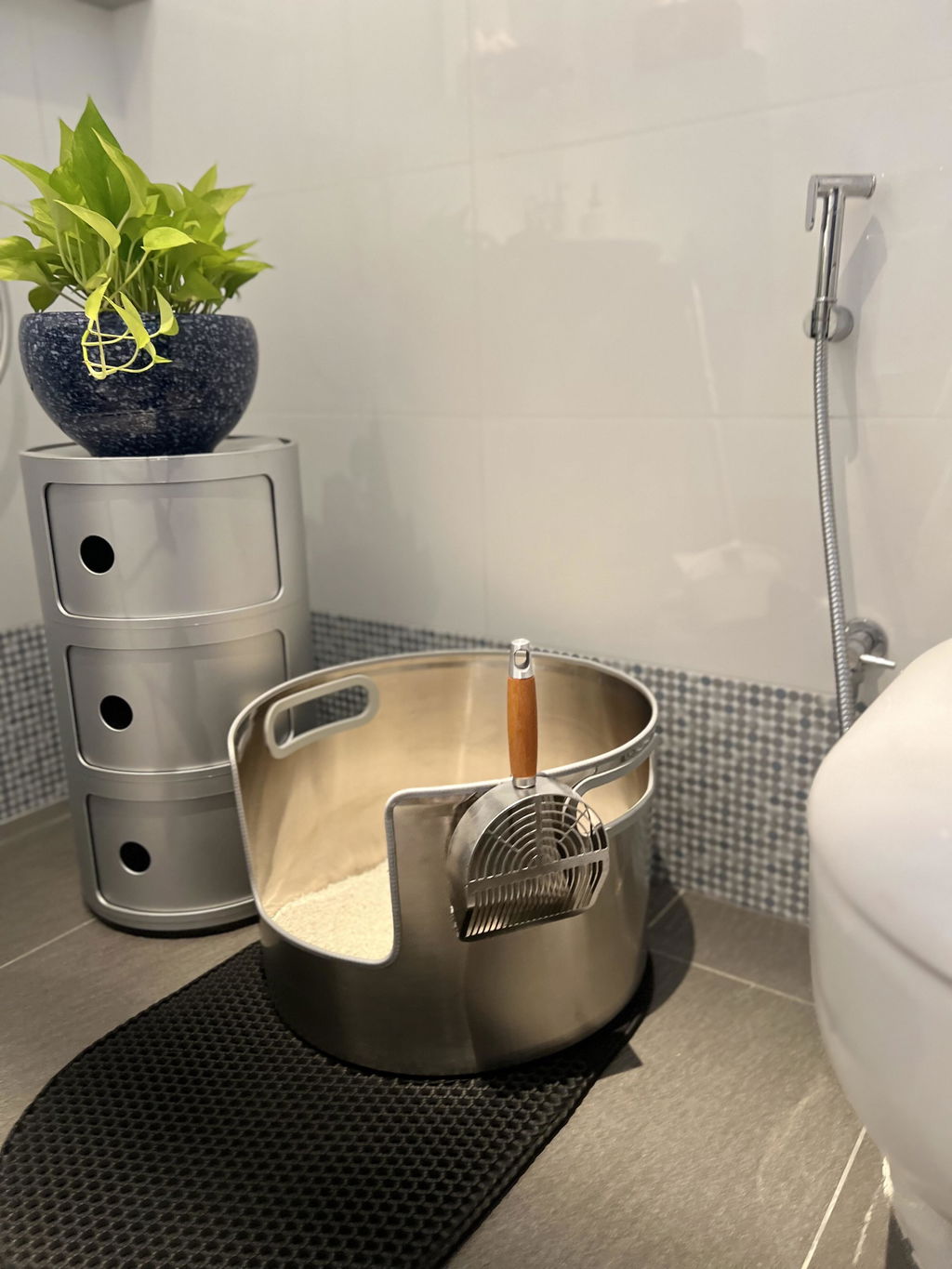
- The entry is low enough for confident access.
- The box is large enough to turn and dig.
- The litter is familiar, soft underfoot and not strongly scented.
- The tray is away from food, water and noisy appliances.
- Another pet cannot block the route.
- Waste is scooped daily and the box does not smell strongly of cleaner.
If the kitten chooses one accident spot
Clean with a pet-safe enzymatic cleaner, then temporarily place a tray near that location if practical. Once use is reliable, move it gradually. Avoid ammonia-scented cleaners, which can resemble urine to a cat.
Separate this guide from the basic training plan
If you are starting from day one, follow our step-by-step kitten litter training plan. This article is for a kitten that already knows what a tray is but is missing it, avoiding it or using it inconsistently.
Know when to call the vet
Seek prompt advice for straining, crying, repeated small wees, blood, vomiting, lethargy, persistent diarrhoea, constipation or a kitten that stops eating. Kittens can become unwell quickly, and a litter-box problem may be the first visible clue.
Frequently asked questions
Should I put my kitten’s nose in an accident?
No. It does not teach the intended location and can create fear. Clean the area, improve access and reward calm successful use.
Can two kittens share one tray?
They may choose to, but provide additional trays in separate locations so neither kitten has to wait or pass the other to toilet.
General information only. A veterinarian should assess pain, straining, blood, persistent digestive signs or sudden changes in toileting.