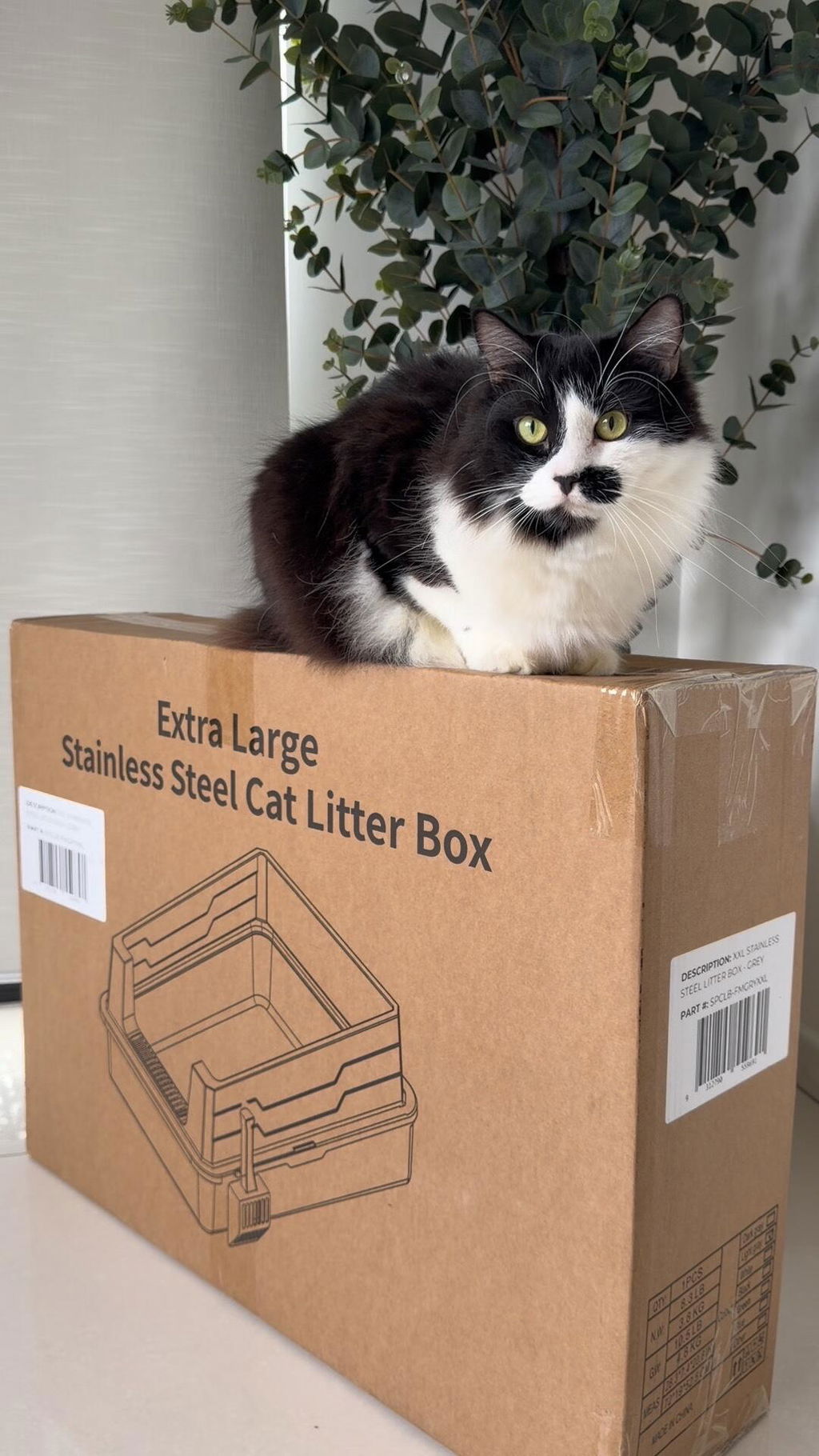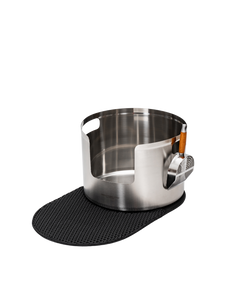


Stainless steel · Hygiene · Long-term value
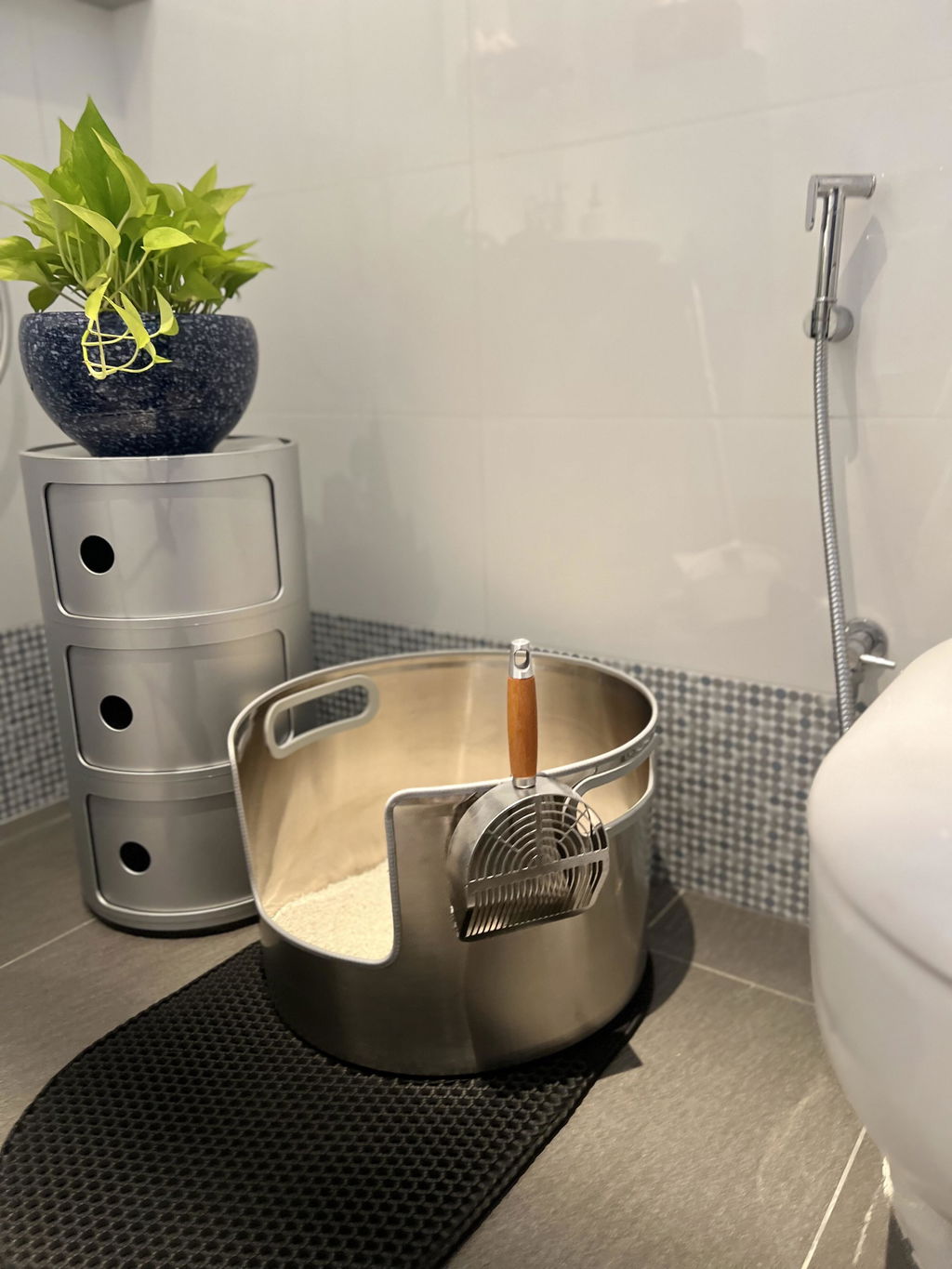
A litter box is used every day, so small design choices become big quality-of-life details. Stainless steel earns its place through cleanability, durability and a quietly modern look—not through gimmicks.
1. It is easy to clean well
Stainless steel is widely used where cleanability matters. Its smooth surface rinses easily and does not develop the deep scratches common in older plastic trays. Scoop daily, then wash with warm water and mild detergent when needed.
2. It resists lingering odour
Odour usually comes from waste, damp litter and residue—not from the box alone. A non-absorbent steel tray is less likely to hold smells after cleaning, especially compared with plastic that has become rough or scratched.
3. It is made for long service
Quality stainless steel handles repeated washing and everyday scratching without becoming brittle. That durability can reduce the cycle of replacing a tray simply because it looks worn or will no longer come clean.
4. It suits a considered home
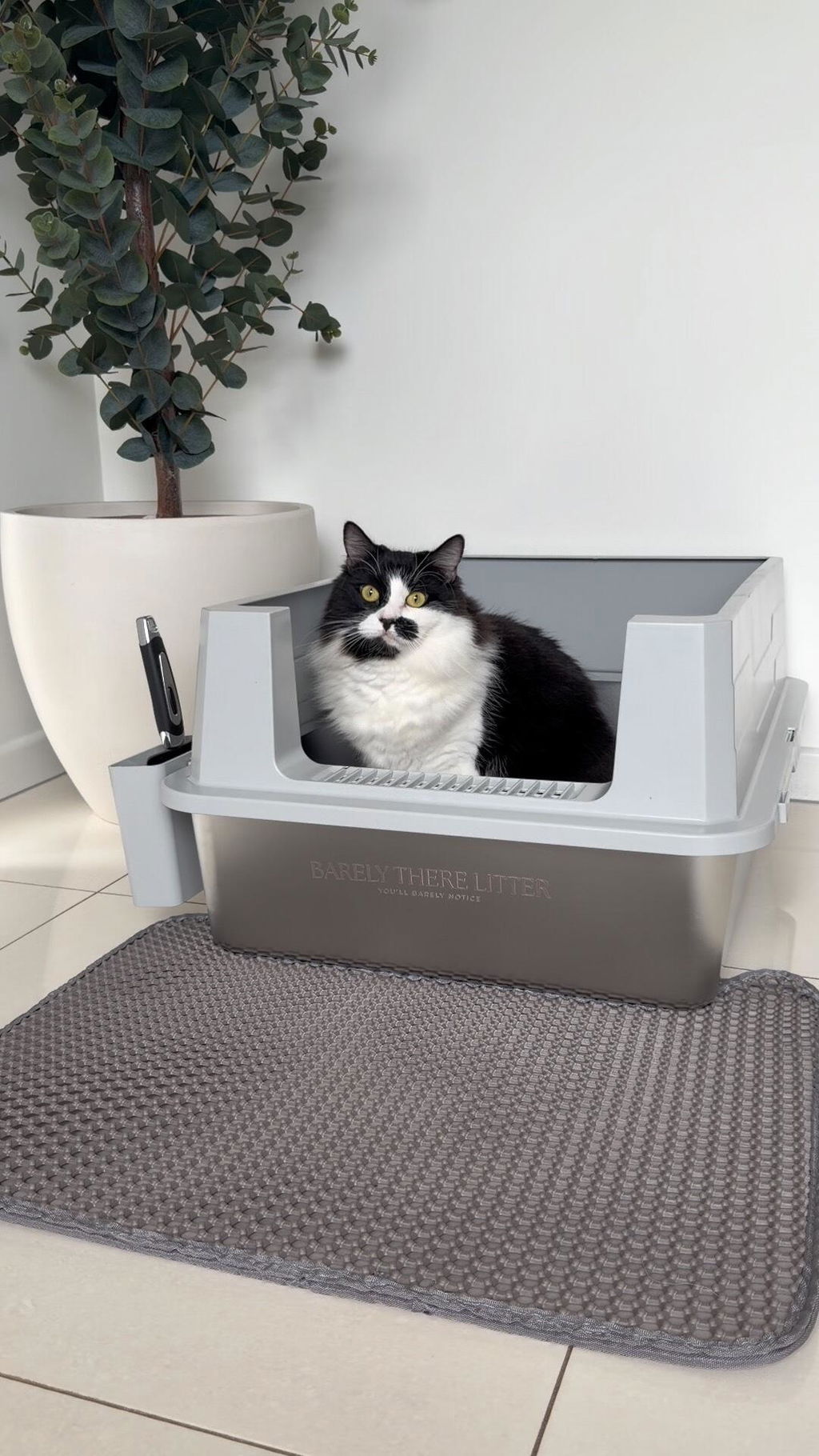
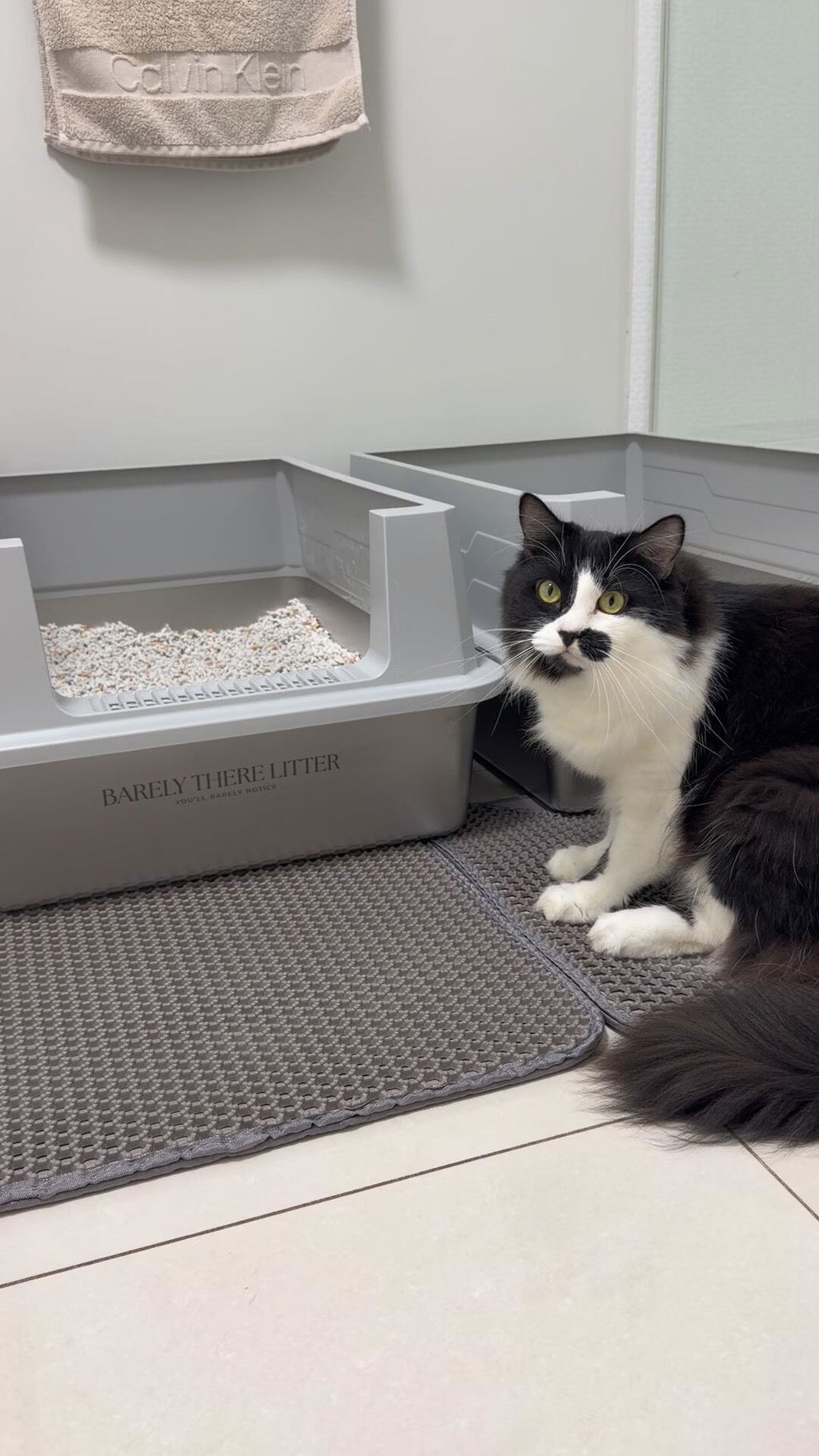
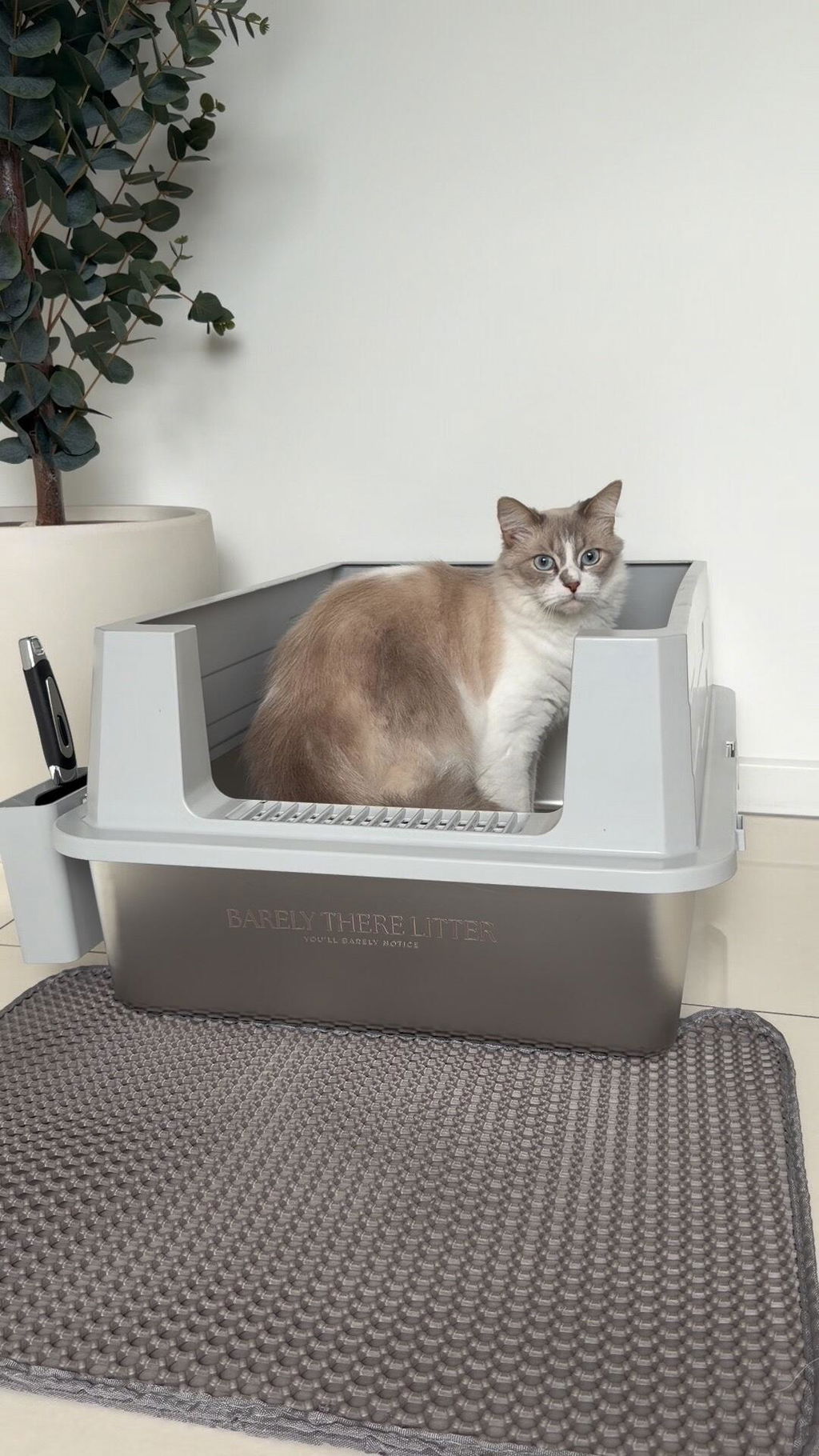
A litter box still needs to be practical, but it does not need to look temporary. Barely There boxes pair a steel base with carefully shaped walls, steps and neutral finishes that sit comfortably in a modern Australian home.
5. It offers better long-term value
The upfront cost is higher than a basic plastic pan. The relevant comparison is cost per year of useful service, including replacements and the time spent scrubbing. For many households, the durable option is the calmer option.
Browse the full stainless steel litter box collection or use our quiz to compare formats.
Frequently asked questions
Does stainless steel remove all litter-box odour?
No box can do that on its own. Steel helps by resisting absorption and cleaning easily; litter choice, daily scooping, ventilation and a healthy cat still matter.
Can stainless steel scratch?
Any surface can mark under enough force. Quality stainless steel resists normal use well, but avoid steel wool and harsh abrasive pads when cleaning.